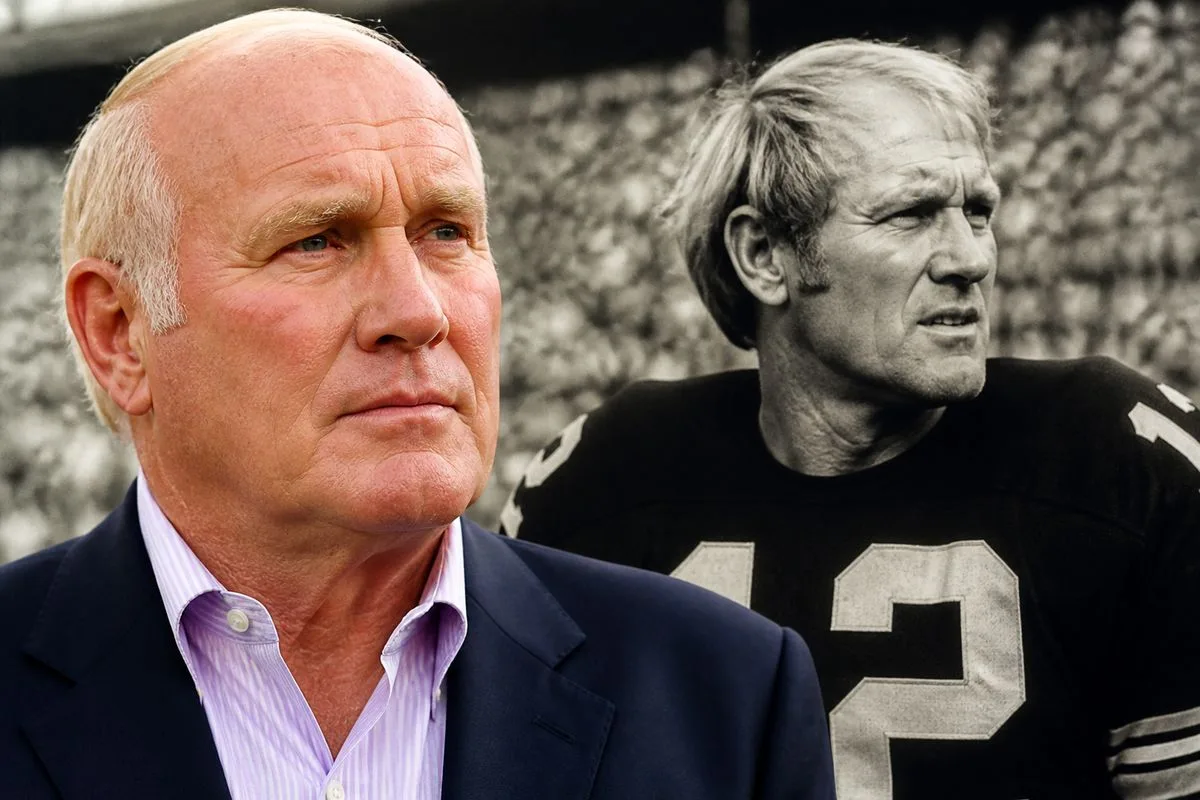
Terry Bradshaw is back in the spotlight, again
Terry Bradshaw has a habit of reappearing at the centre of the NFL conversation, even decades after his last snap. In October 2026, two separate storylines pull him into the headlines at once. One is modern, messy, and very online: a viral moment on Fox NFL Sunday that sparks a fan debate about what viewers want from studio coverage. The other is pure football history: Aaron Rodgers is reported to be eyeing a Steelers record associated with Bradshaw, a reminder that some marks still carry real cultural weight, even in a league that reinvents itself every season.
These are not the same story, but they rhyme. Both are really about legacy, and who gets to define it. Bradshaw is a Pro Football Hall of Famer, a four time Super Bowl winning quarterback, and a long time TV presence. That combination makes him unusually exposed to public judgement. People argue about his playing career, then they argue about his broadcasting, then they argue about whether the arguing itself is fair. And around it goes.
What makes this week interesting is the contrast. The viral clip is about tone, performance, and the expectations placed on a veteran broadcaster. The Rodgers angle is about numbers, records, and the way the NFL uses history as a marketing engine. Put them together and a bigger picture emerges: Bradshaw is not just a former player, he is a living reference point for how the league talks about greatness, entertainment, and authenticity.
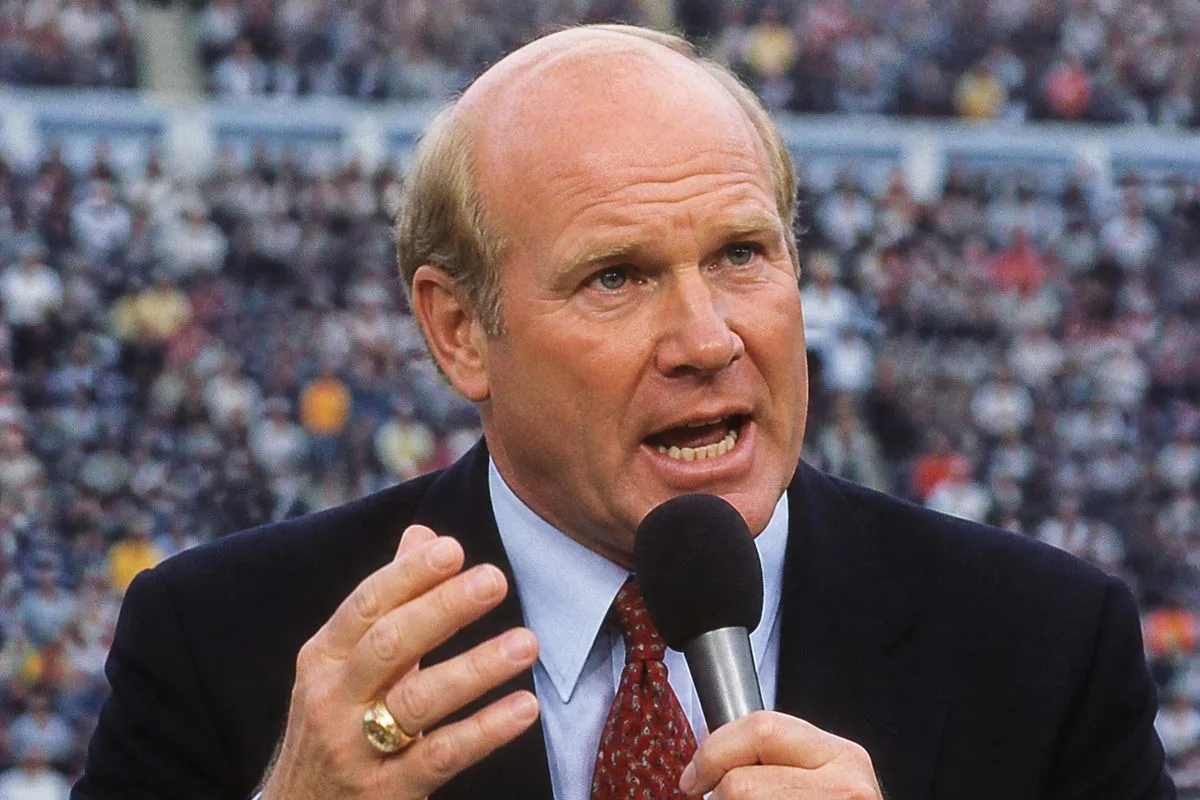
The viral Fox NFL Sunday moment, and why fans argue about it
One of the headlines driving the current surge in interest is a report that Bradshaw has a viral Fox NFL Sunday moment that sets off debate among fans. The source material available here does not include the full transcript of what was said on air, or the exact sequence of events in the segment. That matters, because viral clips often travel without context, and context is usually where the truth lives. Still, the reaction itself is the story: a familiar split between viewers who love Bradshaw’s unfiltered, old school presence and those who feel the show should be tighter, sharper, and more modern.
That split is not new. Studio shows are judged like sport now, with fans scoring performances in real time. A stumble becomes a meme. A joke becomes a referendum. And a veteran host becomes a symbol for something bigger, whether he asked for that job or not. Bradshaw, in particular, has always been a broadcaster who leans into personality. He is not trying to be a neutral narrator. He is part of the entertainment.
But the NFL media ecosystem in 2026 is less forgiving than it used to be. Clips are cut into seconds, posted, reposted, and argued over by people who did not watch the full show. That is how a single moment can become a debate about competence, age, and whether a network should refresh its lineup. It is a harsh dynamic, and it is also the price of being visible every Sunday.
There is another layer too. Bradshaw’s on air persona has always been tied to his real life story, including public discussions of personal struggles in recent years, as reflected in supplementary material about a new book and long form interviews. Even without quoting those interviews directly, the theme is clear: he has been increasingly open about the gap between public success and private difficulty. For some viewers, that honesty makes him more relatable. For others, it changes how they interpret any awkward moment on television. The same clip can read as charming, troubling, or simply human, depending on what the viewer brings to it.
Aaron Rodgers and the Terry Bradshaw Steelers record chase
The second headline is more straightforward on its face: Aaron Rodgers is reported to be eyeing a historic Steelers record linked to Bradshaw. The source material provided does not specify which record is being referenced, and it would be wrong to guess. But the framing alone tells you why it is newsworthy. Bradshaw’s name still functions like a measuring stick in Pittsburgh, a shorthand for the franchise’s most mythologised era at quarterback.
That is what records do in the NFL. They compress complicated careers into a single number, then turn that number into a storyline. When a modern star like Rodgers is mentioned in the same breath as Bradshaw, it is not just about the statistic. It is about status. It is about whether a player can touch a piece of history that fans treat as almost sacred.
It also shows how the Steelers’ quarterback identity still casts a long shadow. Bradshaw is the iconic champion. After him, every Steelers quarterback is compared to the idea of him, not only the player. That comparison is often unfair, because the league changes, the rules change, and the way teams build offences changes. Still, the comparison persists because it is emotionally useful. It gives fans a narrative hook, and it gives media outlets a way to connect the present to the past.
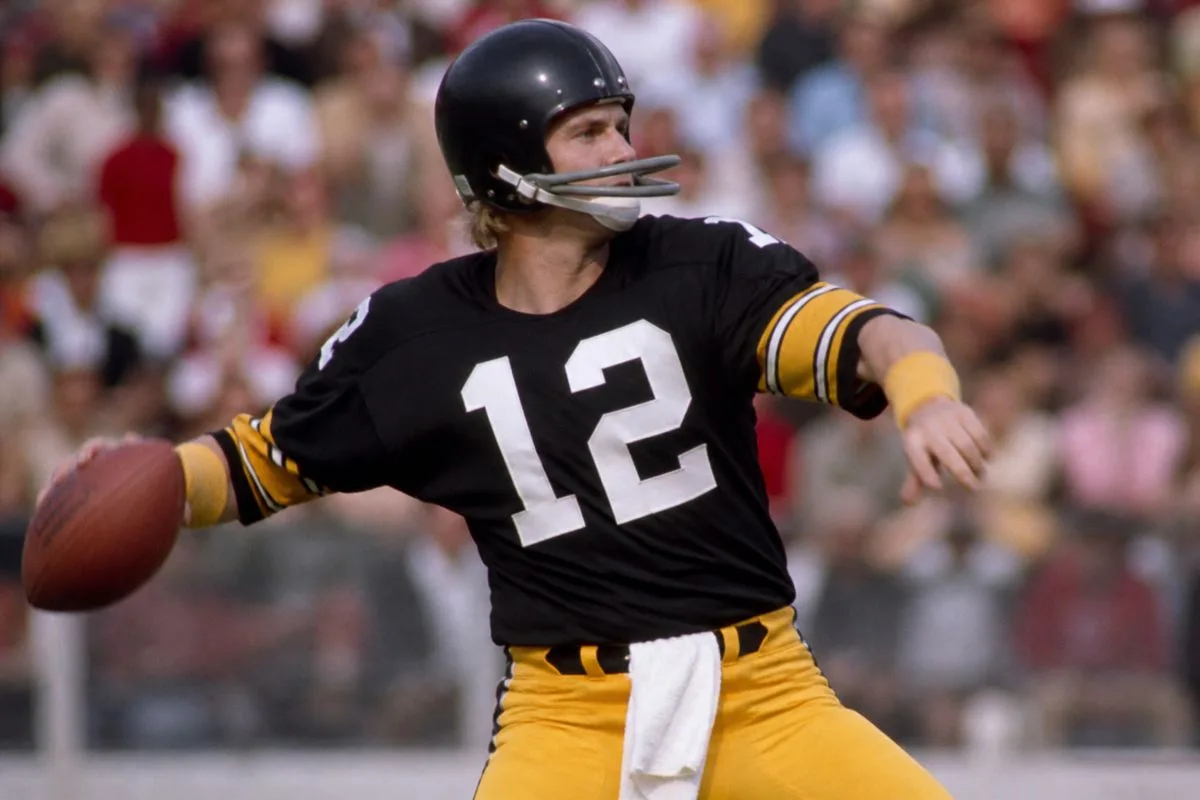
And Rodgers, as a figure, is perfect for this kind of storyline. He is a modern quarterback with a long résumé and a reputation for chasing legacy as much as wins. Linking him to a Bradshaw record, even without the exact number spelled out in the available material, signals that the conversation is about historical placement. Not just what Rodgers does next Sunday, but where he sits in the long story of the position.
Who Terry Bradshaw is, beyond the clip and the record
It is easy to reduce Bradshaw to two caricatures: the big armed Steelers quarterback from the 1970s, and the larger than life TV personality who says what he thinks. But the reason he keeps resurfacing in the public conversation is that his career sits at the intersection of winning, fame, and vulnerability. He is a Hall of Fame player, yes. He is also a broadcaster whose job is to be watched, judged, and clipped into shareable moments.
Supplementary material circulating alongside the headlines points to Bradshaw discussing personal struggles in a new book, and to interviews where he talks about confidence, family life, faith, depression, and cancer. The specifics of those conversations are not included in the scraped news material here, so this article does not attribute direct quotes or detailed claims. Still, the broad point is important: Bradshaw’s public image in 2026 is not only about football achievement. It is also about being candid, sometimes painfully so, about what success did not fix.
That context changes how people interpret him on television. When a broadcaster is just a broadcaster, viewers can keep the critique superficial. When a broadcaster is also a famous former athlete who has spoken openly about personal hardship, the audience reaction becomes more complicated. Some people become more protective. Some become more critical. Some simply feel uncomfortable, because sport is often consumed as escapism, and real life has a habit of barging in.
There is also a long running argument about Bradshaw the quarterback, and it flares up whenever his name trends. Community discussion in 2026 includes a familiar hot take that he was mediocre, followed by counter arguments pointing to his Super Bowl performances. One specific figure appears in that discussion: a claim that Bradshaw had an average quarterback rating of 112.8 across the four Super Bowls he played in, with the added claim that only Joe Montana has a higher career Super Bowl quarterback rating. That number is presented in community commentary, not in the scraped articles, so it should be treated as an argument fans are making rather than a verified statistic in this source set. But it illustrates the point: Bradshaw’s legacy is contested in a way that most four time Super Bowl winning quarterbacks are not.
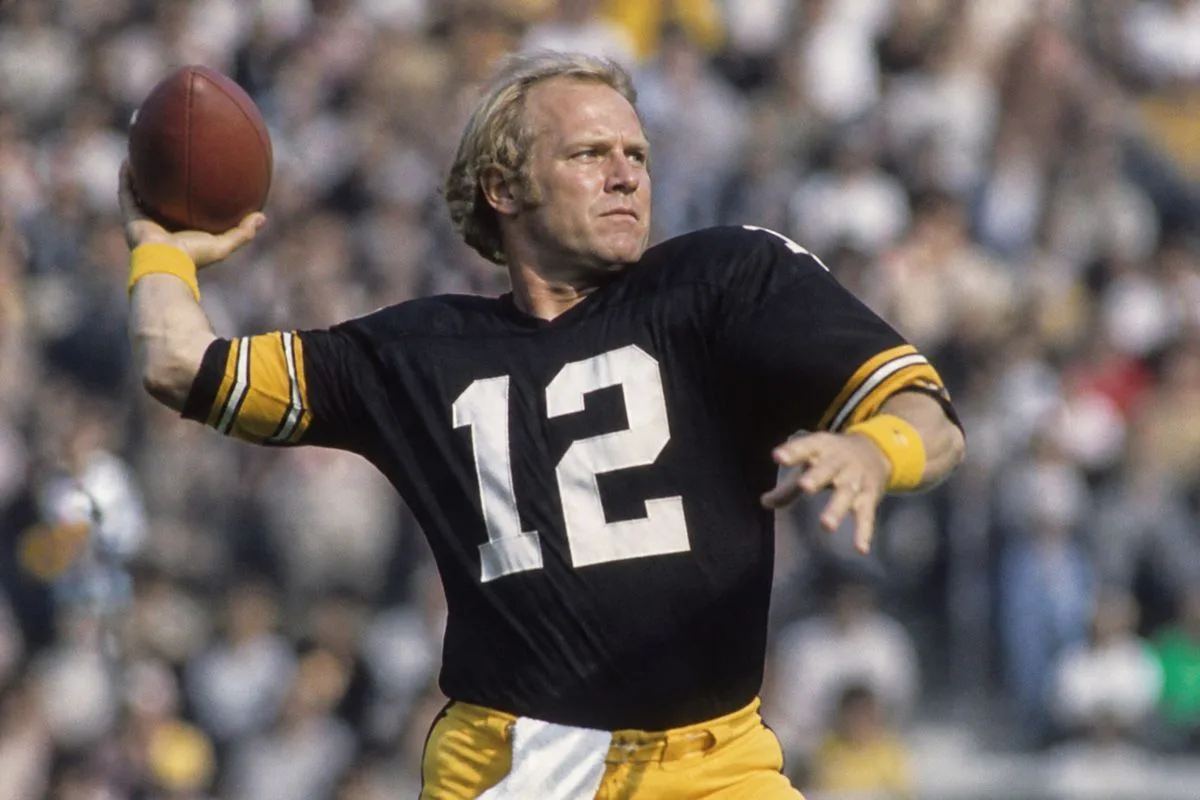
What the twin headlines reveal about NFL media and memory
Put the viral moment and the Rodgers record chase side by side and a pattern emerges. The NFL in 2026 is not just a sport, it is a content machine. It needs clips, debates, and historical hooks. Bradshaw provides all three. He is a recognisable face on a major studio show, which means he can generate a viral moment without trying. And he is a symbol of an era, which means his records and reputation can be used to frame modern achievements.
There is a tension here, though. Viral moments tend to flatten people. They turn a complex career into a single expression, a single line, a single awkward beat. Records do something similar. They turn a career into a number. Both are reductive. And yet both are incredibly effective at keeping a name in circulation. That is why Bradshaw remains relevant to audiences who never watched him play.
The debate about Bradshaw on television also reflects a broader shift in how sports broadcasting is consumed. Studio shows used to be background noise. Now they are second screen theatre. Viewers do not just watch, they react, remix, and litigate. A segment is no longer finished when it ends. It continues online, where tone is misread, sarcasm is missed, and nuance is optional.
Meanwhile, the record chase framing shows how the league sells continuity. Fans love the idea that today’s stars are chasing yesterday’s legends. It makes the sport feel bigger than a single season. But it can also distort evaluation. A modern quarterback is judged not only on what he does in his own context, but on whether he matches a myth built in a different one. That is not exactly fair, but it is how fandom works. People do not just want results. They want meaning.
Why It Matters
The easy takeaway is that Bradshaw is trending because the internet loves a clip and the NFL loves a record. But the deeper significance is about how sport treats ageing, legacy, and public vulnerability. Bradshaw is one of the few figures who sits in all the relevant rooms at once. He is a champion from the past, a paid performer in the present, and a person who has allowed parts of his private life to become public context. That combination makes him a kind of stress test for modern sports culture.
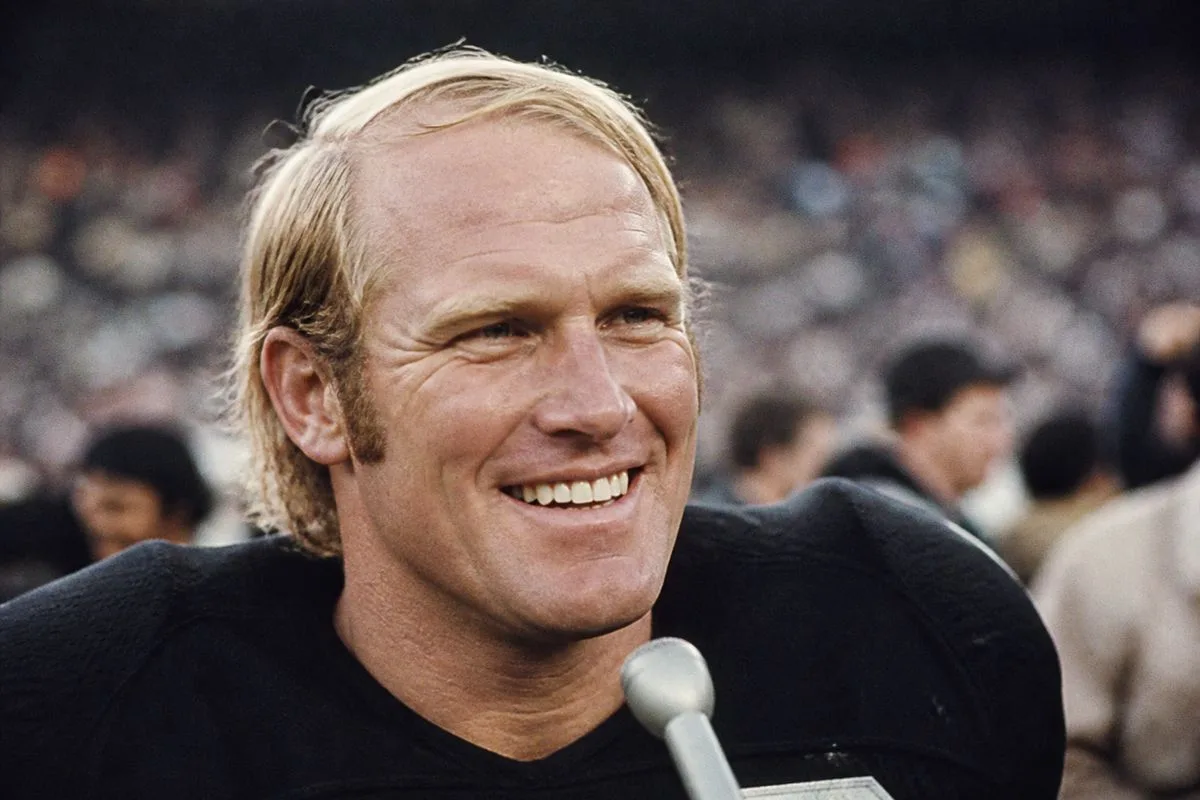
When fans argue about a viral studio moment, they are not only arguing about whether a segment worked. They are arguing about what they want Sundays to feel like. Some want polish and speed, like a social feed. Others want familiarity, warmth, and the sense that football is still connected to the people who built its mythology. Bradshaw represents the latter. He is not sleek. He is not trying to be. And for a lot of viewers, that is the point.
And the Rodgers record angle matters because it shows how the NFL’s history is not neutral. Certain names become pillars. Bradshaw is one of them, especially in Pittsburgh. When a modern star is linked to a Bradshaw record, it is not just a stat note, it is a cultural signal. It tells fans what the league, and the media around it, considers important. In a sport drowning in data, the chosen comparisons reveal the values underneath: rings, moments, and the stories people repeat until they feel like truth.
Historical context: Bradshaw’s place in the Steelers story, and why it still resonates
Bradshaw’s legend is inseparable from the Steelers’ identity as a franchise that measures itself in championships. That is why his name is still used as a benchmark. It is also why debates about him get heated. In Pittsburgh, history is not a museum piece. It is part of the weekly conversation. Every quarterback is evaluated against the memory of what a Steelers quarterback is supposed to be.
That memory is shaped not only by wins, but by imagery. Bradshaw is tied to an era that fans romanticise: tough football, iconic defences, and a sense of team identity that feels rarer now. Whether that nostalgia is fully accurate is beside the point. Nostalgia is not a spreadsheet. It is a feeling. And Bradshaw is one of the faces attached to it.
At the same time, the modern re evaluation of past players is relentless. Fans compare across eras using stats that do not always translate cleanly. They argue about efficiency, supporting casts, and the difficulty of different rules. The community discussions referenced in the supplementary material show that Bradshaw is a frequent target of that kind of debate, with some calling him overrated and others pointing to his biggest games as the real evidence. That push and pull is not going away, because it is really a debate about how to define greatness.
And then there is the media layer. Bradshaw is not just a historical figure, he is present tense. He is on television, which means he is constantly generating new material for people to judge. Most legends get to freeze in time. Bradshaw does not. He is still in the arena, in a different role, and that makes his legacy feel alive, and therefore contestable.
What happens next for Terry Bradshaw, and for the conversation around him
In practical terms, the viral moment will fade, because the NFL schedule always supplies a new distraction. But the underlying debate will return the next time Bradshaw has an on air slip, a sharp joke, or a sentimental segment. That is the rhythm of modern sports media. Personalities are not just hosts, they are ongoing storylines.
The Rodgers record chase story will also evolve, depending on what Rodgers actually does on the field and how the season unfolds. If the record is reached, Bradshaw’s name will be invoked again, and the comparison machine will crank into life. If it is not reached, the mere attempt still reinforces Bradshaw’s status as a historical marker. Either way, the headline does its job. It keeps the past in the present.
For Bradshaw himself, the more interesting question is how his public role changes as he continues to share more of his personal narrative, through books and interviews, alongside his broadcasting work. That openness can deepen public respect, but it also invites a different kind of scrutiny. Fair enough, that is the trade off of being a public figure. Still, it is worth saying plainly: the internet is not always kind to complexity.
In 2026, Terry Bradshaw remains what he has been for a long time: a lightning rod. A champion, a performer, a symbol, and a human being who does not fit neatly into the boxes people would prefer. The headlines this week are just the latest proof that his name still carries weight, and not only because of what he did on a football field.