Ecommerce fulfillment in 2026 hits a new inflection point
Ecommerce fulfillment is having one of those quietly pivotal moments in 2026. Not because consumers suddenly change how they shop, but because the logistics layer underneath online retail keeps tightening. Faster delivery is now assumed, not admired. And brands are increasingly intolerant of the old excuses, the handoffs, the “it’s the carrier’s fault” shrug. In that context, Fulfillment.com’s stated plan to bring its Indianapolis node live in Q4 2026 lands as more than a routine network update. It is a signal of where third party logistics, or 3PL, competition is heading: ground speed, end to end accountability, and real time visibility that is actually usable.
The headlines here are straightforward: Fulfillment.com positions its operated network to reach 99.77% of the US population by ground in one to three days, and it is adding Indianapolis in Q4 2026. Alongside that, the broader market keeps pushing similar themes. eFulfillment Service, a Michigan based provider with 25 plus years of service, sells flexibility and low lock in, with 99.9% order accuracy and shipping that typically reaches most addresses in two to four days from a central US location. And Kenco frames ecommerce fulfillment as an engineered, customer centric discipline, combining workflows, real time visibility, flexible multi client operations, and readiness for peak season.
Put together, these developments describe a single story: ecommerce fulfillment is no longer just warehousing and postage. It is becoming a product in its own right, with measurable service levels, platform driven visibility, and network design that aims to deliver speed without paying air freight prices. And yes, it is a big deal for any brand that lives or dies by reviews, repeat purchases, and margin discipline.
The specific development: Fulfillment.com’s Indianapolis node and the 1 to 3 day ground promise
Fulfillment.com’s network messaging is unusually specific, which is helpful because it gives the market something concrete to evaluate. The company states that its ground reach covers 49.66% of the US population within one day, 98.63% within two days, and 99.77% within three days, using ground services. It also states that Indianapolis is “going live Q4 2026”, adding to operated nodes across North America that include locations such as Fresno, Kansas City, Atlanta, Savannah, Harrisburg, and Mississauga, Ontario. Vancouver, British Columbia is described as “coming 2027”, which suggests a continuing push to broaden coverage beyond the contiguous US and deepen Canadian capability.
The operational claim that underpins this expansion is just as important as the geography. Fulfillment.com emphasises “one operator owns your order, start to finish”. In plain English, it says it receives, stores, picks, packs, ships, and handles returns in its own facilities, with its own people, on one platform. The point is to eliminate a chain of handoffs where responsibility gets diluted. The company’s framing is blunt: one chain of accountability, not a finger pointing chain of handoffs between a brand and its customer.
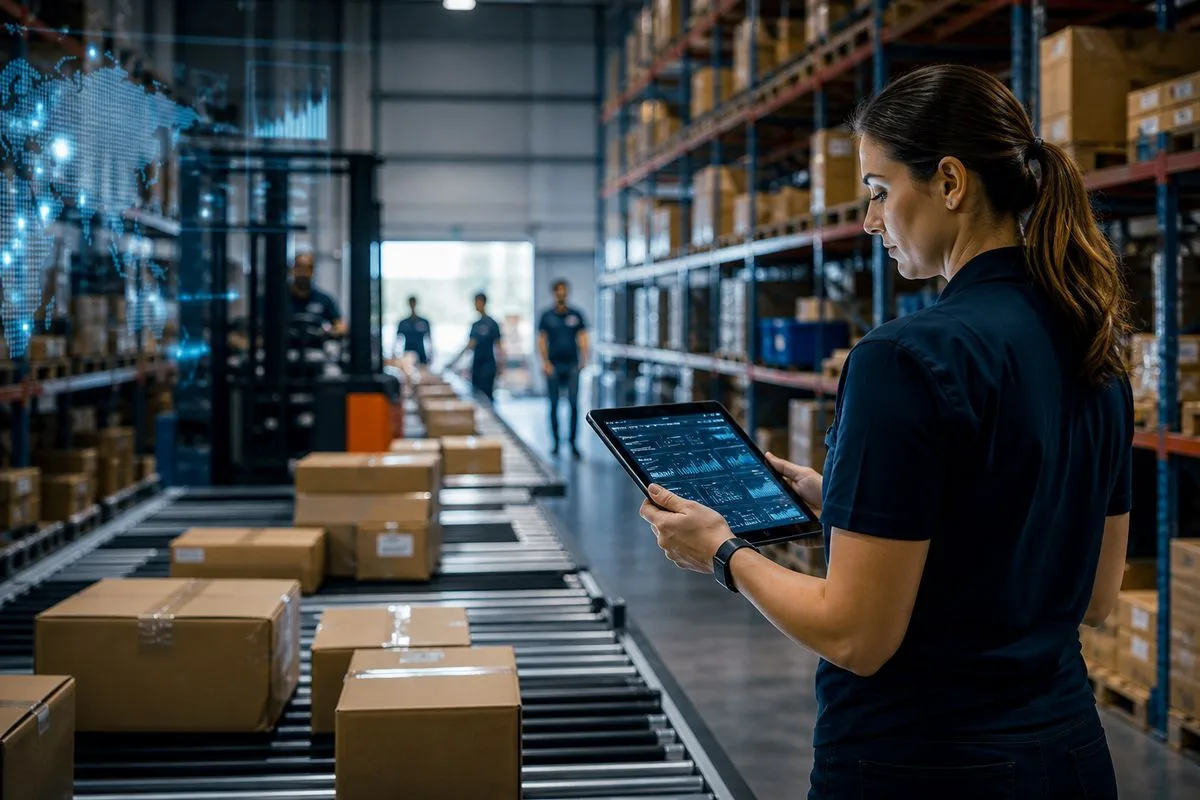
There is also a technology angle. Fulfillment.com highlights a single platform view in “BestOMS”, describing live order, inventory, and fulfilment cost data available 24/7 on any device, with export into a brand’s own reporting. That matters because speed without visibility is just anxiety at scale. And visibility without actionability is just a dashboard that looks nice in a board meeting.
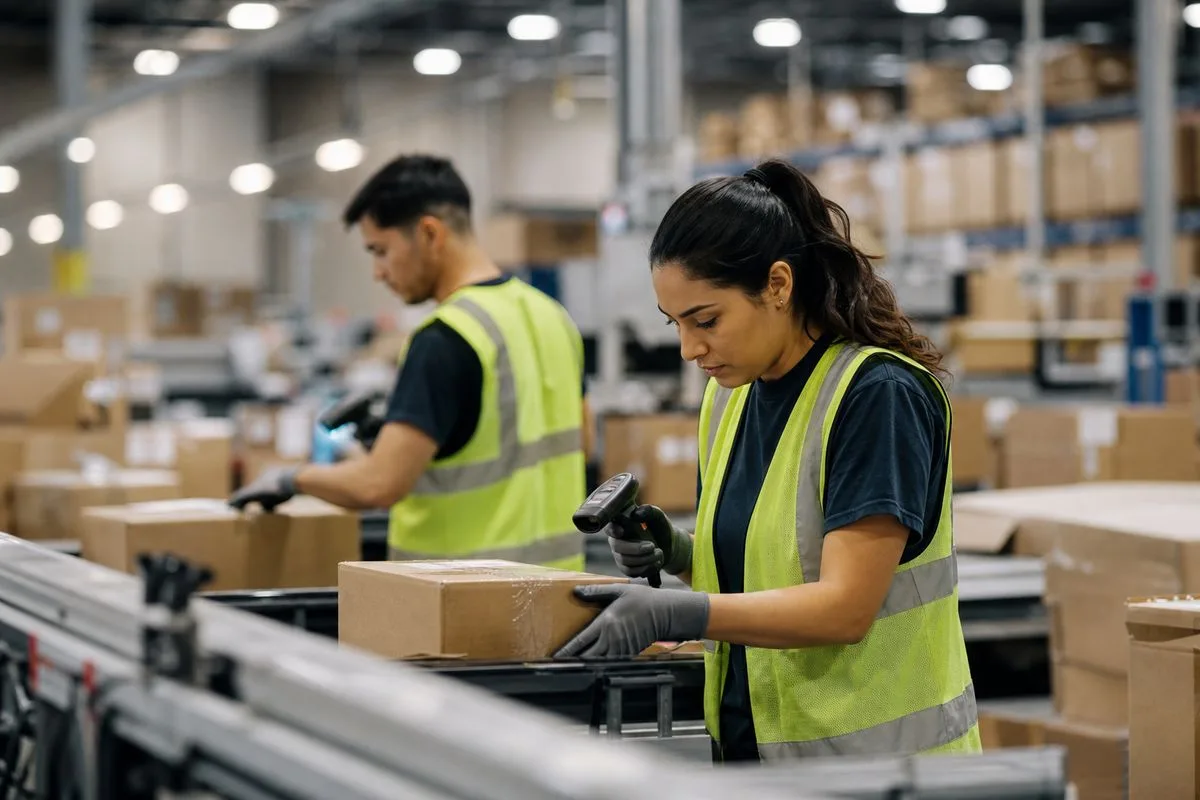
Finally, the service level language is explicit: barcode verified picking, same day shipping for orders placed that day, and “dock to stock” receiving that aims to make inventory available quickly. The source material does not provide a numeric same day percentage or a published SLA, so it is not possible to quantify performance beyond the stated coverage and the general claims. But the direction is clear: the company is selling measurable reliability, not just square footage.
Background: how modern ecommerce fulfillment providers differentiate in 2026
To understand why Indianapolis in Q4 2026 matters, it helps to look at how ecommerce fulfillment providers now position themselves. The old model was simple: store inventory, ship orders, answer the phone when something goes wrong. The new model is layered. Providers compete on network design, engineered labour standards, carrier rate leverage, systems integration, and the ability to absorb peak demand without breaking. And they increasingly package all of that as a coherent operating system for a brand’s post purchase experience.
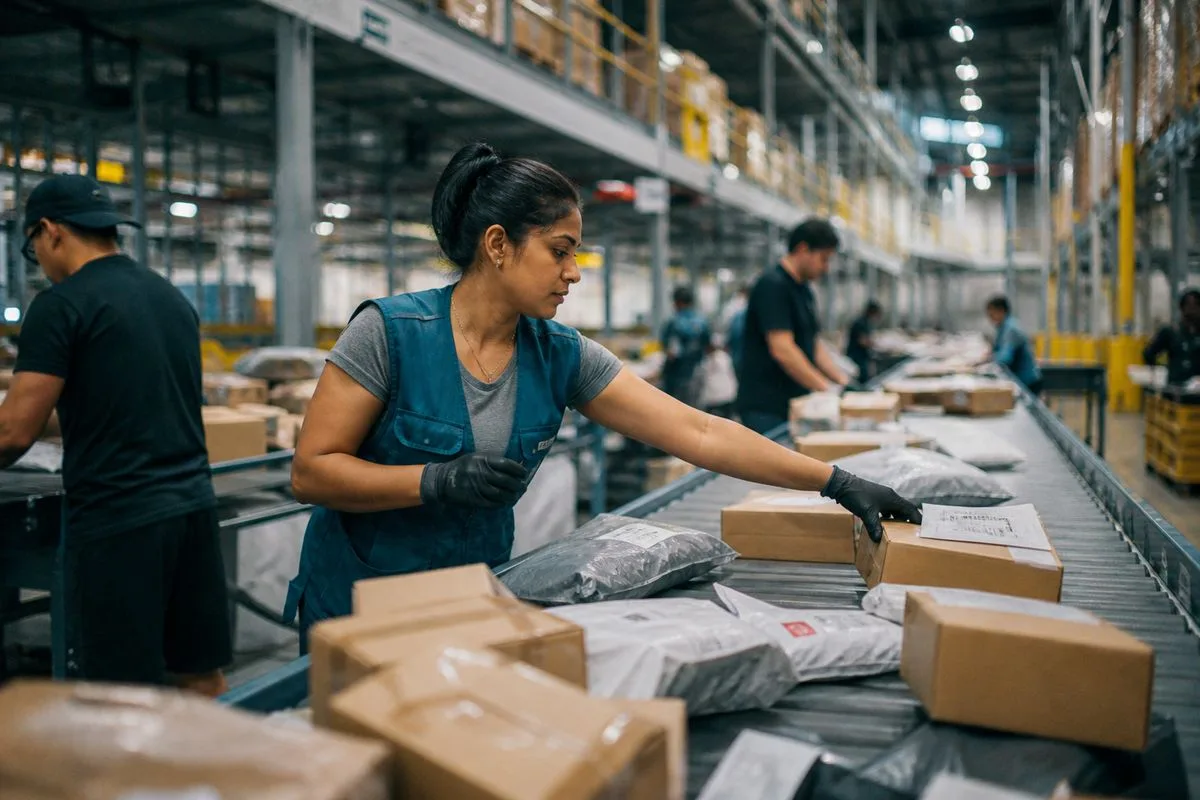
Fulfillment.com’s differentiation is control. It repeatedly stresses that it operates its own facilities and runs volume through buildings it operates, with its own people and customer success managers. The promise is continuity and reduced friction: fewer parties involved, fewer excuses, and faster root cause analysis when something slips. It also leans heavily on inventory positioning, placing stock closer to customers so brands can hit one to three day delivery windows using ground services rather than air. That is the margin story right there.
eFulfillment Service, by contrast, leans into flexibility and accessibility. It describes itself as a family owned business based in Traverse City, Michigan, operating since 2001, with “no order minimums, no setup fees, no long term contracts”. It also highlights “40 plus free integrations” with carts and marketplaces including Shopify, Amazon, Walmart, eBay, Etsy, and TikTok Shop. Its operational scale is described in facility terms: 200,000 square feet of secure storage. And it claims 99.9% order accuracy, with pick and pack shipping within one business day, and same day shipping if orders are in by 1PM EST.
Kenco’s positioning is more enterprise and programme oriented. It talks about engineered workflows, real time visibility, flexible multi client operations, and continuous improvement. It emphasises omnichannel networks across B2C, DTC, and broader retail fulfilment needs, plus value added services and returns processing. The source material does not list specific nodes, coverage percentages, or accuracy figures for Kenco, so the comparison is conceptual rather than numerical. Still, the message is consistent with the market: fulfilment is a designed system, not a back room function.
What ties these providers together is the shift from “ship it” to “own the outcome”. That outcome includes delivery speed, accuracy, returns handling, and the data layer that lets a brand plan rather than react. In 2026, that is what buyers are paying for, even when they think they are just buying storage and postage.
Why Indianapolis matters: network geometry, ground speed, and cost control
Indianapolis is not a random dot on a map. For US distribution, it is a classic connectivity play. A centrally located node can reduce average shipping zones, improve ground transit times, and create redundancy when other nodes hit capacity. Fulfillment.com’s own coverage figures show how aggressively it is selling the ground speed story: 49.66% of the US population within one day, 98.63% within two days, and 99.77% within three days. Adding a node in Indianapolis in Q4 2026 is consistent with optimising that geometry, especially for brands that need balanced reach across the Midwest, East, and South without over relying on a single coastal facility.
And this is where the economics get interesting. Many ecommerce brands have learned the hard way that “fast” can become “expensive” very quickly if it is driven by air services, premium surcharges, or reactive split shipments. A multi node ground strategy aims to deliver speed at ground cost. Fulfillment.com explicitly frames its network as “fast ground transit without air freight cost”. That is not exactly groundbreaking as an idea, but executing it well is hard. It requires inventory placement discipline, accurate forecasting, and a fulfilment partner that can coordinate across nodes without turning the operation into a spreadsheet nightmare.
Visibility is the other half of the Indianapolis story. When inventory is spread across multiple facilities, brands need to know what is where, what it costs to fulfil from each node, and how order routing decisions affect margin. Fulfillment.com’s BestOMS is positioned as a “one screen of order truth”, showing live order, inventory, and fulfilment cost data. The source material also notes that it exports into a brand’s own reporting. That is a subtle but important detail. Mature operators do not want another dashboard to log into, they want data that flows into their existing planning and finance routines.
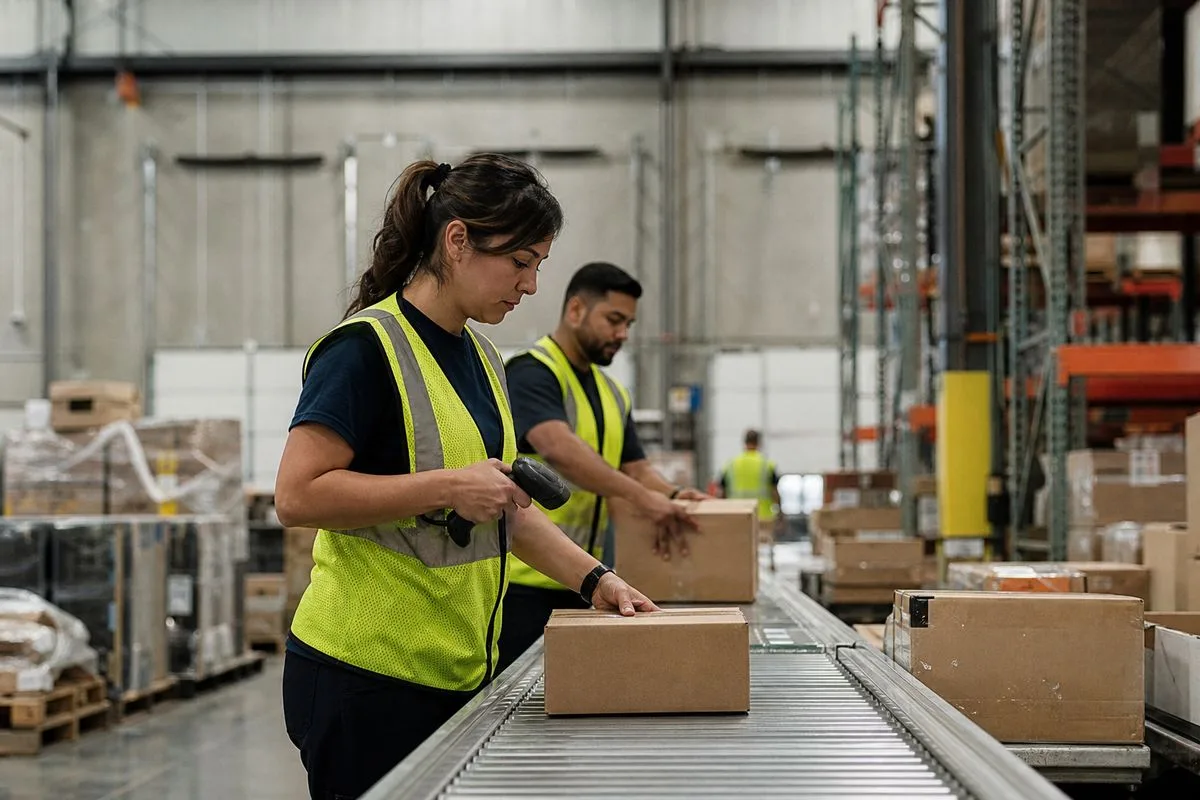
Finally, there is resilience. The last decade has repeatedly shown that logistics networks fail in predictable ways: peak season volume spikes, labour constraints, carrier disruptions, and inventory arriving late. Kenco’s emphasis on peak season readiness and operational resilience reflects that reality. A network with multiple nodes, plus engineered workflows and real time visibility, is essentially an insurance policy. Not a perfect one, but better than hoping a single warehouse can do everything forever.
The competitive landscape: accuracy, accountability, and the “one operator” argument
Competition in ecommerce fulfillment is increasingly fought on trust. Brands do not just want a provider that can ship parcels, they want one that will not leave them holding the bag when something goes wrong. Fulfillment.com’s “one operator owns it all” message is a direct shot at fragmented models where a sales layer, a software layer, and an outsourced warehouse layer all point at each other when performance slips. The company’s language is explicit: “zero handoffs”, “one chain of accountability”, “dock to dispatch”. It is selling organisational design as much as it is selling logistics.
Accuracy is the other trust anchor. eFulfillment Service states 99.9% order accuracy. Fulfillment.com describes barcode verified picking, with every pick verified against the order before the box is sealed. Both are essentially saying the same thing: they aim to catch mistakes while the shipment can still be corrected. That is the only moment that really matters. Once a wrong item is delivered, the cost multiplies, not just in returns processing but in customer lifetime value, support tickets, and reviews. Fulfillment.com even spells this out in its own framing: a missed order touches the next reorder, the review, and the margin on that customer.
Speed claims are also converging, but with different emphases. Fulfillment.com pushes one to three day ground reach to 99.77% of the US population, and it highlights same day shipping for orders placed that day. eFulfillment Service positions most addresses as reachable in two to four days from its central US location, and it states shipping within one business day, with same day shipping if orders are in by 1PM EST. These are not directly comparable promises because one is a network coverage statistic and the other is a typical transit statement from a single location, plus a cut off time. But the direction is the same: customers expect quick delivery, and brands expect fulfilment partners to make that achievable without heroic effort.
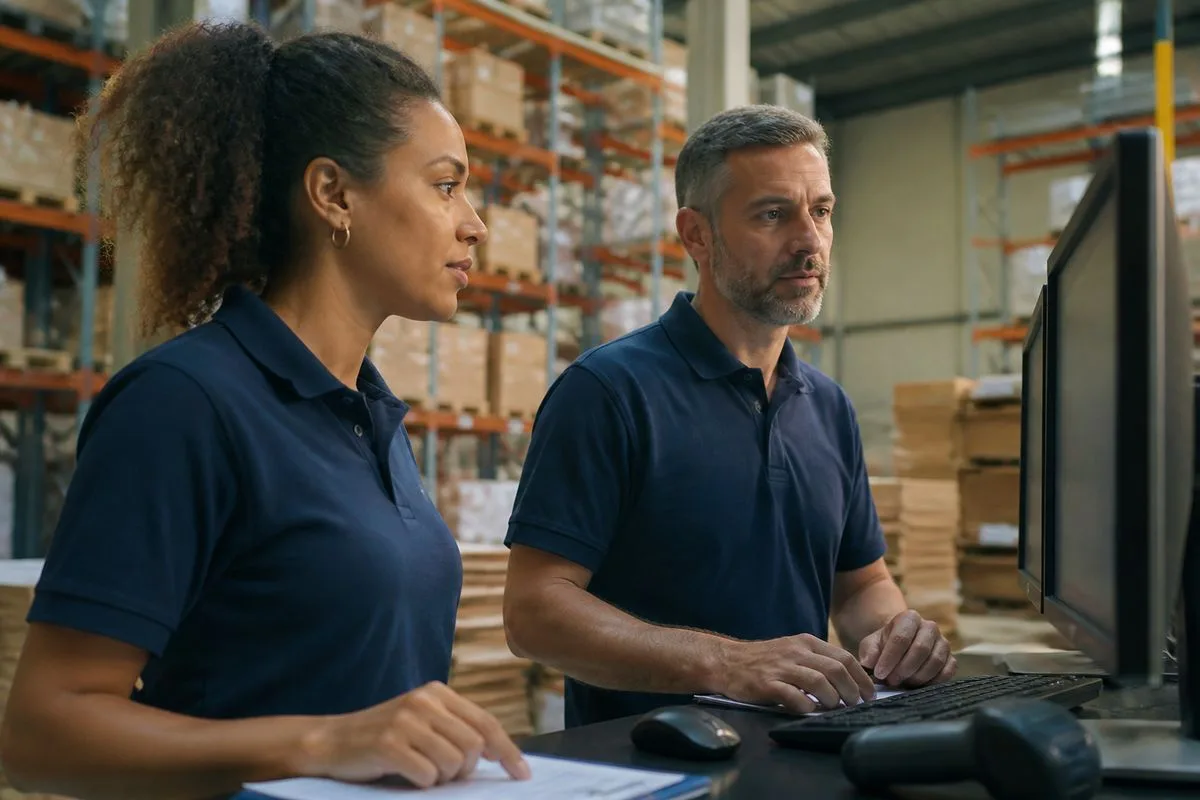
And then there is the platform layer. Fulfillment.com promotes BestOMS as a unified system. eFulfillment Service highlights 40 plus integrations and 24/7 tracking of inventory, orders, and shipments. Kenco talks about real time visibility as part of engineered workflows. The market is effectively admitting something that used to be taboo: fulfilment is software as much as it is forklifts. If the data is wrong or delayed, the operation will feel wrong and delayed, no matter how good the warehouse team is.
Historical context: from “two day shipping” as a perk to “ground fast” as the baseline
It is worth stepping back. Ecommerce delivery expectations did not become intense overnight. For years, two day shipping was treated as a premium perk, often subsidised by retailers as a customer acquisition tool. Over time, it became normal. Then it became table stakes. Now, in 2026, the conversation shifts again. The question is not whether a brand can offer fast delivery, but whether it can do so profitably and consistently, without burning out staff or drowning in exception handling.
This is why ground networks are having a moment. Ground is cheaper than air, generally more predictable when managed well, and less exposed to certain types of capacity crunch. But ground speed requires proximity. Proximity requires nodes. Nodes require coordination. That is the trade off. Fulfillment.com’s coverage numbers, 49.66% within one day, 98.63% within two days, 99.77% within three days, are essentially a marketing shorthand for a deeper operational philosophy: distribute inventory, standardise processes, and use a single platform to keep it all coherent.
At the same time, the market has matured in how it buys 3PL services. Smaller brands increasingly want low commitment arrangements, which is where eFulfillment Service’s “no long term contracts” and “no minimum order requirements” positioning resonates. Larger brands, or fast scaling brands, often want engineered programmes, automation, and continuous improvement, which is where Kenco’s language fits. The industry is not splitting into “cheap” and “premium” so much as splitting into “flexible and simple” versus “designed and optimised”. Both can be excellent, if matched to the right business model.
Returns also loom larger than they used to. Fulfillment.com explicitly includes returns handling as part of its owned operation. eFulfillment Service offers return processing with inspection, restocking, and customer friendly turnaround. Kenco includes returns processing in its programme design. That convergence is telling. Returns are no longer an afterthought, they are part of the customer experience and a major cost centre. Providers that treat returns as a bolt on will struggle as brands demand faster resale cycles and better inventory accuracy.
What This Means For You
For ecommerce operators, the practical takeaway is that fulfilment partner selection in 2026 needs to start with the operating model, not the rate card. The Indianapolis launch in Q4 2026 is a reminder to ask a simple question: who actually owns the outcome when something breaks? If a provider operates its own facilities and runs on a single platform, it may be able to diagnose issues faster and avoid the “handoff spiral”. But if a brand values flexibility above all, a provider with no minimums, no setup fees, and no long term contracts may reduce risk in a different way. Fair enough. The key is to align the partner’s structure with the brand’s tolerance for complexity and its need for control.
Second, brands should treat delivery speed as a network design problem, not a carrier problem. If a business is paying for premium shipping methods to hit customer expectations, it may be masking a deeper issue: inventory is too far from customers, or the fulfilment footprint is too concentrated. Fulfillment.com’s one to three day ground reach messaging is essentially a prompt to run the numbers: what happens to shipping zones, transit times, and cost per order if inventory is split across multiple nodes? eFulfillment Service’s central location model can work well for many brands, especially at earlier stages, but the moment order volume and geographic spread increase, the economics can change quickly.
Third, visibility should be tested, not assumed. Providers talk about real time dashboards all day long. Brands should ask to see live order status views, inventory counts, and fulfilment cost reporting in practice, and confirm whether data can be exported into existing finance and planning workflows. Fulfillment.com’s BestOMS pitch is explicitly about live data and export. eFulfillment Service emphasises 24/7 tracking and integrations. Kenco frames visibility as part of engineered workflows. The right choice depends on how a brand actually runs its operation. If the team lives in spreadsheets and BI tools, exports matter. If the team needs quick operational clarity on a phone at 9pm, mobile friendly live views matter.
Closing thoughts: the 3PL market moves from “shipping” to “systems”
The ecommerce fulfillment story in late 2026 is not a single company’s expansion, it is a market wide shift in what “good” looks like. Fulfillment.com’s Indianapolis node going live in Q4 2026 fits neatly into a broader pattern: more nodes, faster ground reach, and a stronger claim of end to end ownership. eFulfillment Service continues to make the case that brands can scale without lock in, leaning on long service history, integrations, and a published 99.9% order accuracy claim. Kenco’s framing reinforces that fulfilment is now a designed discipline, built on engineered workflows, visibility, and resilience.
For the industry, the implication is that differentiation increasingly sits in execution detail. Barcode verification, dock to stock speed, cut off times, returns workflows, and the quality of account management are not “nice to haves”. They are the product. And the winners are likely to be the providers that can prove performance in a way operators can measure, not just describe.
And for brands, the message is simple, if slightly uncomfortable: fulfilment is no longer something to outsource and forget. It is a strategic lever. It shapes margin, customer loyalty, and the ability to survive peak season without chaos. The providers in this story are effectively saying the same thing in different accents. Own the outcome. Make the data usable. And design the network so speed does not destroy profitability. That is the bar in 2026, and it is only getting higher.