Why the e-commerce expo matters in 2026
The e-commerce expo calendar is crowded, noisy, and frankly a bit exhausting. But eCommerce Expo in London on 23 to 24 September 2026 still stands out because it sits right at the intersection of two realities: online retail is now operationally complex, and the technology stack behind it is changing fast. That combination is exactly what senior teams are wrestling with, whether they sell direct to consumers, supply other businesses, or do both.
This year’s event positions itself as a meeting point for leaders who want specialised content, market insight, and the latest technologies to optimise online sales and, as the organisers put it, get the most out of every click, view, like, and purchase. That phrasing is telling. It is not just about conversion rate any more. It is about the whole chain, from discovery and persuasion through to fulfilment, returns, and repeat purchase. And yes, it is also about how AI and automation are reshaping the work itself (even when people are still figuring out what they actually trust).
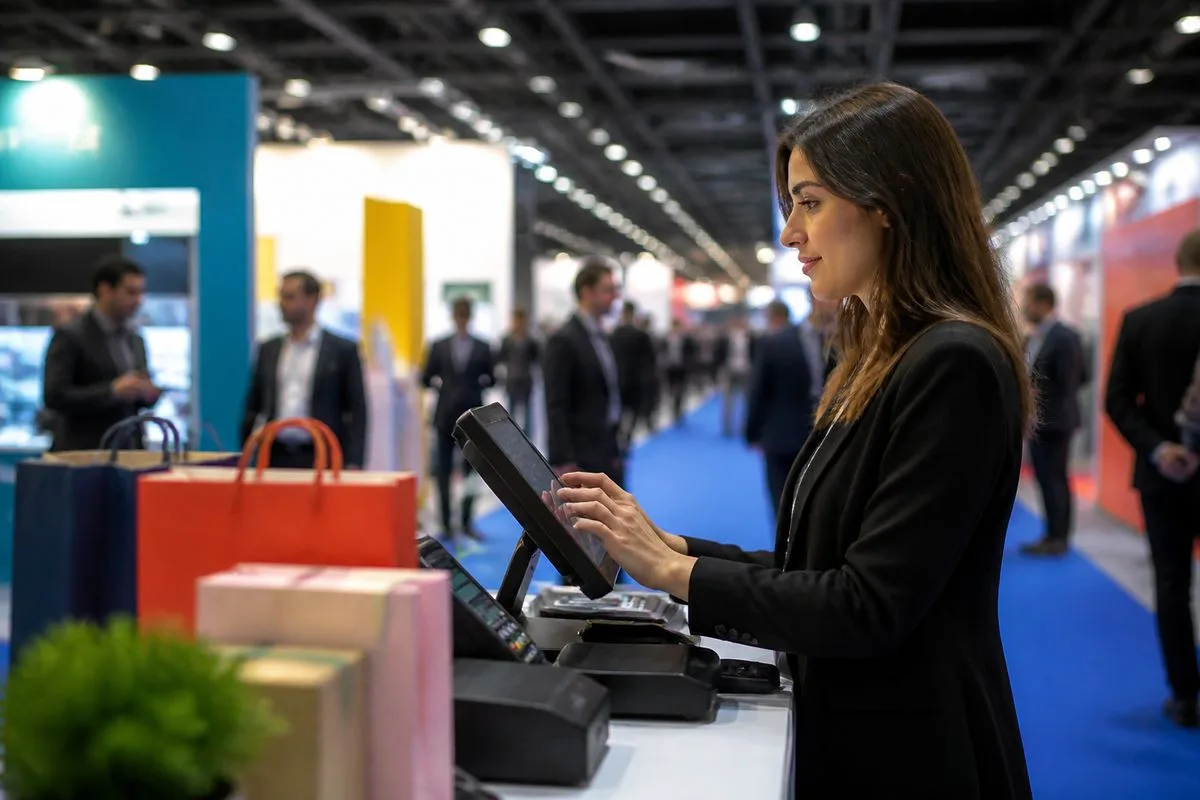
Scale is part of the story too. The organisers cite 10,000 plus B2B and B2C senior eCommerce professionals, 200 plus world-leading solution providers and agencies, and 200 plus hours of CPD-accredited content spread across 10 eCommerce and MarTech conference theatres. Those numbers matter because they signal intent: this is not a niche meetup. It is a big, multi-track trade show where strategy, tools, and vendor selection collide in the same building.
There is also a second, quieter storyline running alongside the conference programme. The eCommerce Expo brand is closely linked with the wider marketing community, including Technology for Marketing, which recently celebrated its Top 30 Marketing Influencers of 2026. That matters because modern commerce teams do not operate in isolation. The best eCommerce operators now look a lot like integrated growth teams, with performance marketing, content, CRM, analytics, and merchandising all pulling in the same direction (or trying to).
e-commerce expo event details: dates, scale, and what is on the floor
eCommerce Expo takes place in London on 23 to 24 September 2026. The organisers frame it as an event for eCommerce leaders and their teams, with a clear emphasis on practical optimisation: online sales performance, customer experience, and the technology choices that sit underneath. It is explicitly positioned for both B2C and B2B audiences, which is important because those two worlds are converging in some places and diverging in others. Either way, the operational questions are getting harder.
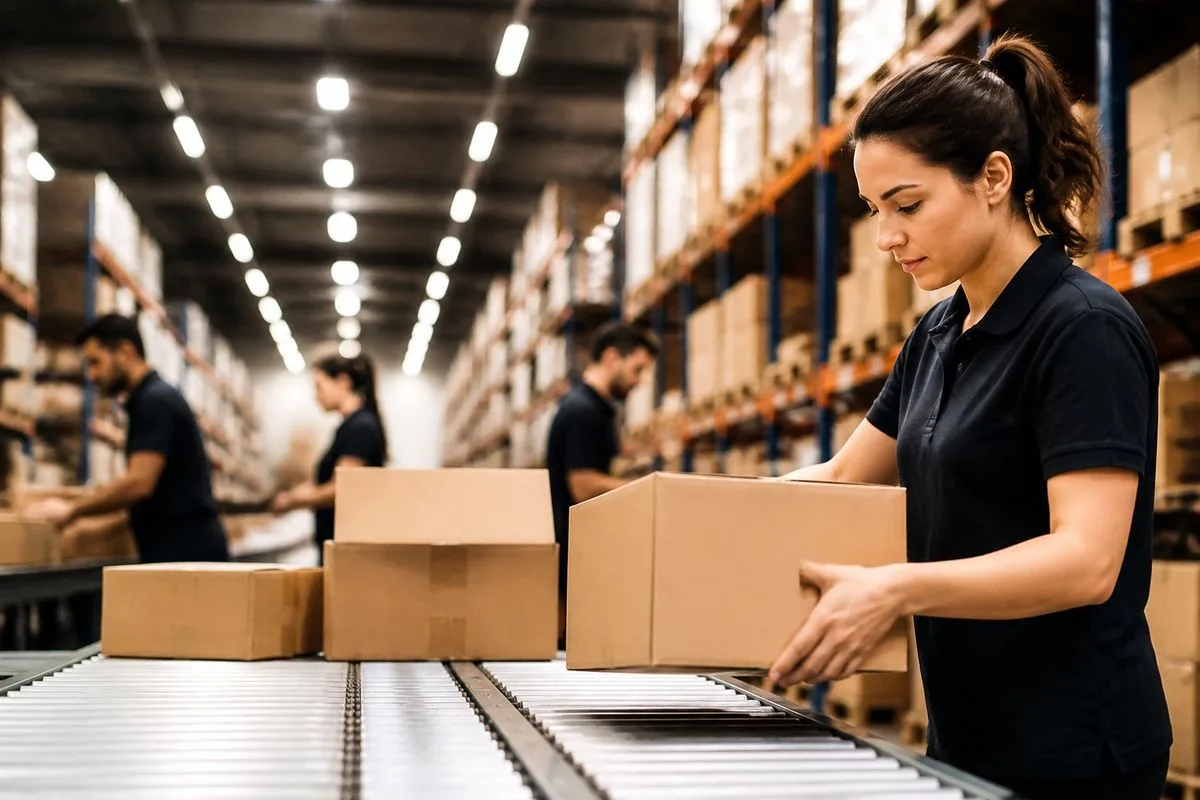
On the exhibition side, the headline figure is 200 plus solution providers and agencies. The event coverage spans customer experience, operations, and logistics, which is a useful clue about what the show floor is likely to feel like. It is not only front-end design and marketing tools. It is also the unglamorous but business-critical stuff: order management, inventory visibility, delivery performance, and the systems that keep promises to customers. And for many retailers, that is where margin is won or lost.
On the content side, the organisers cite 200 plus hours of CPD-accredited sessions across 10 conference theatres dedicated to eCommerce and MarTech. That scale suggests a programme designed for different job families: trading and merchandising, growth and acquisition, customer experience, data and analytics, and increasingly AI strategy and governance. With so many parallel sessions, the practical challenge for attendees is not “is there enough content?” It is “how does a team choose the right sessions and come back aligned rather than fragmented?”
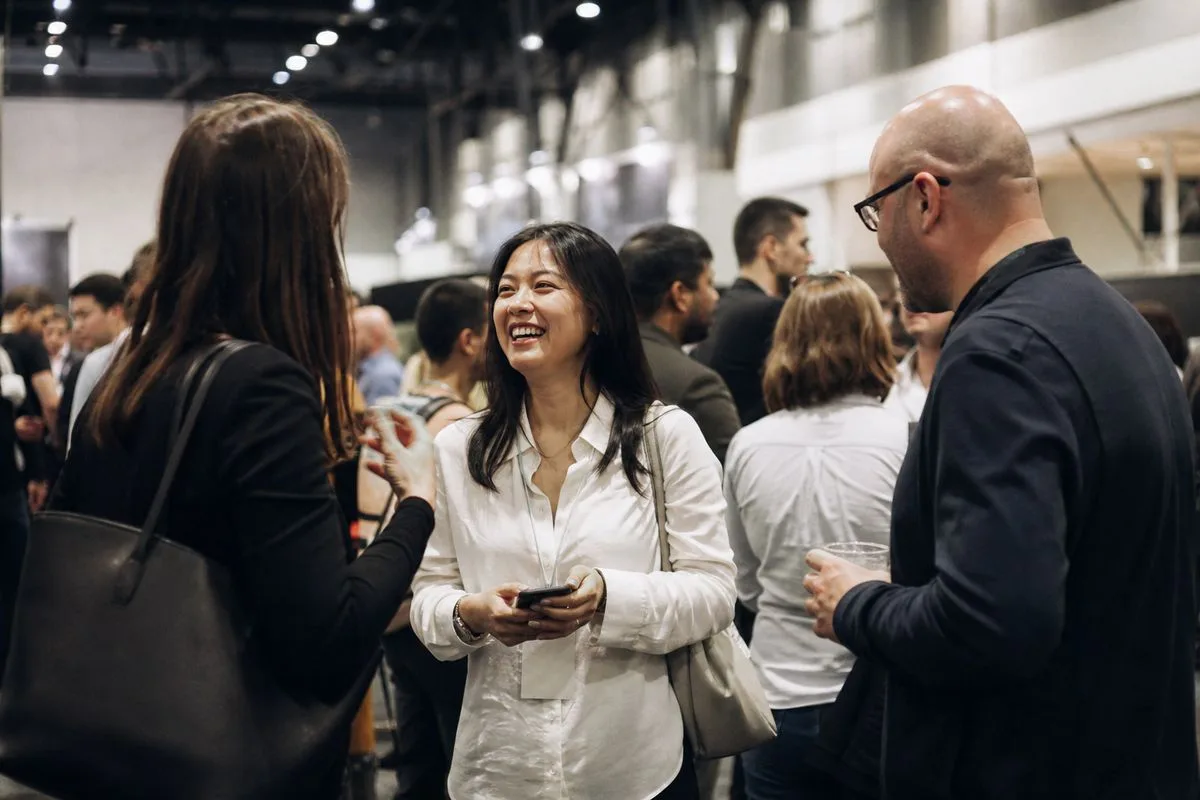
Networking is not presented as a nice-to-have. It is part of the core proposition: “Network with B2C and B2B eCommerce Professionals.” In 2026, that is not just about swapping business cards. It is about comparing notes on what is working, what is not, and which vendors deliver value after the contract is signed. In a market where budgets are scrutinised and tech stacks are bloated, peer validation carries real weight.
Who is speaking, and what that says about the agenda
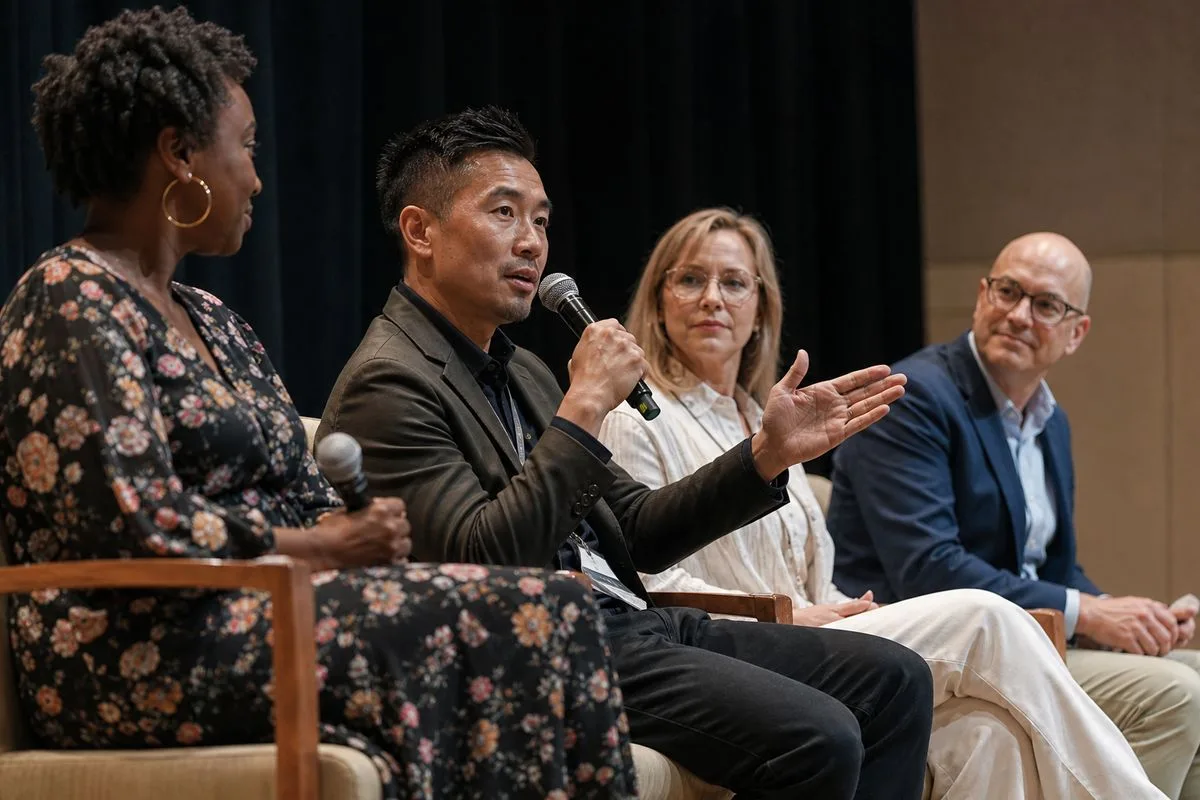
The 2026 speaker list is broad, and that breadth is the point. It ranges from retail and platform leaders to authors, consultants, and specialists in AI, search, and analytics. The organisers describe “world-class experts from leading Retailers and B2B” gathering under one roof, and the roster reflects a deliberate mix of brand-side operators and ecosystem partners. That combination tends to produce the most useful sessions, the ones that move beyond theory and into what teams actually do on Monday morning.
Several names signal where attention is heading. Sophie Neary, Managing Director for Retail and Consumer Goods at Google UKI, is a clear indicator that search, discovery, and platform shifts remain central to commerce strategy. Adobe is represented by Corey Gelato, Senior Commerce Business Advisor, and Shaun McCran in Adobe Commerce product marketing, which points to ongoing investment in enterprise commerce platforms and the practicalities of running them. IMRG, represented by Matthew Walsh and Andy Mulcahy, brings a trade body and insight lens, useful for grounding discussions in what the market is seeing, even when specific numbers are not shared in the event material.
There is also a strong thread around AI and the governance of it. Toju Duke, Founder of Diverse AI, and Karl Lillrud, listed as a speaker and AI expert, sit alongside Michael Olanipekun, a Senior AI Governance Specialist at JLR. That is a telling trio. It suggests the conversation is moving from “AI can do amazing things” to “how does an organisation adopt AI responsibly, inclusively, and in a way that does not create new risk?” That is not exactly glamorous, but it is the difference between experimentation and sustainable deployment.
Brand-side operators from major and fast-moving names add practical credibility. B&Q appears multiple times, with Lee Pettman-Felss and Ali Saker, which hints at a retailer taking customer journey and strategic development seriously. Primark’s Andy Furlong, Virgin Media O2’s Steve Elliot, and Mars Wrigley’s Swagat Choudhury bring different commercial models into the same conversation. And then there is TikTok Shop representation via Felix Reismann, TikTok Shop Social Commerce and Affiliate Manager at L’Oreal UKI, which underlines how social commerce is no longer a side experiment for beauty and lifestyle brands.
The wider 2026 conference landscape, and why e-commerce expo still competes
One reason people search for “e-commerce expo” is simple: they are trying to decide which event is worth their time. In 2026, there is no shortage of alternatives. A global calendar of ecommerce conferences for 2026 to 2027 lists dozens of events, including DTC Live Connect LDN in London on 15 October 2026, Meet Magento Germany in Mainz on 22 October 2026, and broader tech gatherings like Web Summit in Lisbon in early November 2026. Each has its own angle, from direct-to-consumer tactics to platform-specific communities to cross-industry technology trends.
So what is the differentiator here? eCommerce Expo is positioned as a large-scale, multi-theatre event that blends eCommerce and MarTech, with a substantial vendor floor and a programme that spans customer experience, operations, and logistics. That breadth matters for organisations that are not looking for a single-discipline deep dive, but for alignment across functions. A platform community event can be brilliant, but it tends to attract people already committed to that ecosystem. A DTC-focused day can be energising, but it may not address the realities of complex fulfilment networks or B2B buying journeys. eCommerce Expo, at least by design, tries to hold all of that in one place.
There is also a timing advantage. Late September is a strategic moment for UK and European commerce teams. It is close enough to peak trading season planning to be relevant, but not so late that decisions are already locked. That makes the event a useful checkpoint for technology roadmaps, measurement frameworks, and operational readiness. If a team is going to change a process, trial a new tool, or refine a customer journey, September is often when the final decisions get made.

And then there is the community layer. The LinkedIn post reshared by eCommerce Expo, celebrating Technology for Marketing’s Top 30 Marketing Influencers of 2026, is not directly about the September event, but it signals something important: these events are part of a connected ecosystem. The marketing and commerce communities overlap heavily now. When the influencer list includes names like Will Poskett, Vicky Owens, Will Francis, Visha Kudhail, Fatima Khan, James Hamlin, Sue Azari, and others, it reflects a professional culture where practitioners learn from peers in public, not only from vendors on stage. That changes how events need to operate. People expect real-world stories, not sales pitches.
Industry analysis: the themes that sit underneath the speaker list
The most useful way to read an e-commerce expo programme is not by job title, but by the tensions it reveals. In 2026, one tension dominates: growth expectations remain high, but the easy wins are gone. Acquisition costs are volatile, consumer attention is fragmented, and operational costs are stubborn. That pushes commerce leaders towards two levers at once: improving customer experience to lift conversion and retention, and tightening operations and logistics to protect margin. The event’s stated coverage of customer experience, operations, and logistics is basically a map of where the pressure is.
Another theme is measurement, and the politics of measurement. With analytics leaders and search specialists on the roster, the subtext is clear: teams need better attribution, better experimentation, and better decision-making discipline. But they also need organisational agreement on what “good” looks like. That is where trade bodies and insight leaders, such as IMRG representatives, can play a role, even when the event material does not provide specific market statistics. The point is not the number. It is the shared language that lets teams compare performance without fooling themselves.
AI is the third big theme, and it is not just about content generation. The broader conference calendar explicitly highlights “agentic commerce” at Retail’s 5th Annual GEN AI Summit in Melbourne on 15 October 2026, describing an era where AI systems act on behalf of shoppers and merchants across the customer journey. eCommerce Expo’s speaker list suggests the UK market is grappling with similar ideas, but through a more practical lens: AI strategy, AI governance, and how AI intersects with search, personalisation, and customer journey design. In other words, the question is shifting from “can AI do this?” to “should it, and how do we control it?”
Finally, there is a cultural shift in who gets invited to speak. The inclusion of high-profile sports figures like Millie Bright OBE and Ellen White MBE, alongside business leaders, hints at a broader conference trend: leadership, resilience, and performance are being treated as relevant to commerce teams. Some attendees will roll their eyes at that (fair enough). But it reflects a reality of 2026: eCommerce is an always-on discipline, and burnout is real. Conferences are increasingly trying to address the human side of running high-pressure digital operations, not only the technical stack.
e-commerce expo and the evolution of commerce events: a bit of context
Commerce events used to be simpler. A decade ago, the centre of gravity was often the platform decision, the replatforming project, the launch. Now, many organisations already have a platform. They have a CRM. They have a paid media machine. The challenge is that the stack is sprawling, and the customer journey is stitched together from dozens of tools and teams. That is why modern e-commerce expo formats lean into multi-theatre programming and large vendor floors. The problem is no longer “which platform exists?” It is “which combination of tools, processes, and governance produces consistent performance?”
That shift also explains why CPD-accredited content is emphasised. When the organisers cite 200 plus hours of CPD-accredited sessions, they are not only selling inspiration. They are selling professional development, a way for teams to justify attendance internally and bring back structured learning. In a market where training budgets are often the first to be questioned, CPD framing makes attendance easier to defend.
There is also a clear convergence between eCommerce and MarTech. The event explicitly spans both, and the speaker list includes people whose work sits in the overlap: search performance and AI search, influencer and creator partnerships, analytics leadership, and brand operations. That is not accidental. In 2026, commerce performance is increasingly driven by how well marketing signals are captured and activated, and how well product, content, and inventory data are organised. The line between “marketing” and “commerce” is blurry, and most organisations are still reorganising to reflect that.
And while the event is London-based, it sits in a global context. The wider calendar shows a steady drumbeat of ecommerce and AI events across Europe, North America, and Australia. That matters because technology vendors and platform roadmaps are global. A UK retailer’s choices are shaped by what is happening in the US enterprise market, what is emerging in European platform communities, and what AI leaders are trialling elsewhere. eCommerce Expo’s job, in that landscape, is to translate those global currents into decisions that make sense for UK and European operators.
What This Means For You
For readers searching “e-commerce expo”, the practical question is usually: is it worth attending, and how should a team use it? The answer depends on discipline. With 10 conference theatres and 200 plus hours of content, the risk is coming home with a notebook full of disconnected ideas. The smarter approach is to set three outcomes before arrival: one operational improvement to explore (for example, fulfilment or returns), one growth lever to pressure-test (for example, social commerce or search strategy), and one technology or governance question to resolve (often AI related). Then build a schedule around those outcomes, not around whoever has the biggest job title.
Vendor discovery is another area where people either waste time or create real value. With 200 plus solution providers and agencies, the show floor can become a blur. The best teams treat it like structured procurement research. They shortlist categories they actually need, prepare a consistent set of questions, and insist on specifics: implementation effort, integration constraints, and what success looks like after 90 days. And they do something else too, they ask vendors what typically goes wrong. The answer is often more useful than the polished demo.
Finally, readers should pay attention to the shape of the speaker list, not just the individual sessions. The presence of AI strategy and governance roles, major platform voices, and social commerce specialists signals where the industry is investing attention. That does not mean every business should chase the same shiny objects. But it does mean leaders should revisit their own operating model. Who owns the customer journey end to end? Who is accountable for data quality? Who signs off AI use cases, and who monitors risk? If those questions do not have clear answers, an expo is not just a learning opportunity. It is a diagnostic tool.
Closing thoughts: what to watch after London
eCommerce Expo in London on 23 to 24 September 2026 arrives at a moment when commerce leaders are being asked to do two things at once: grow and simplify. Grow revenue, grow retention, grow efficiency. But simplify the stack, simplify reporting, simplify decision-making. That is a hard balance. It is also why events like this continue to draw senior audiences. People are looking for patterns they can trust, and for peers who will tell the truth about what is actually working.
The broader 2026 calendar makes one thing clear: AI is not a side topic any more, and neither is operational excellence. Events in October and beyond explicitly focus on generative and agentic AI, while platform communities continue to mature. eCommerce Expo’s role is to bring those threads together in a way that is usable for teams running real businesses, with real constraints, and real customers who do not care about anyone’s internal org chart.
For anyone attending, the measure of success is not how many sessions they sit through. It is whether they come back with a tighter plan: clearer priorities, a more realistic view of technology trade-offs, and at least one operational change that can be implemented quickly. That is the difference between a good couple of days out of the office and a genuine step forward. And in 2026, with competition as intense as it is, that step forward is a big deal.