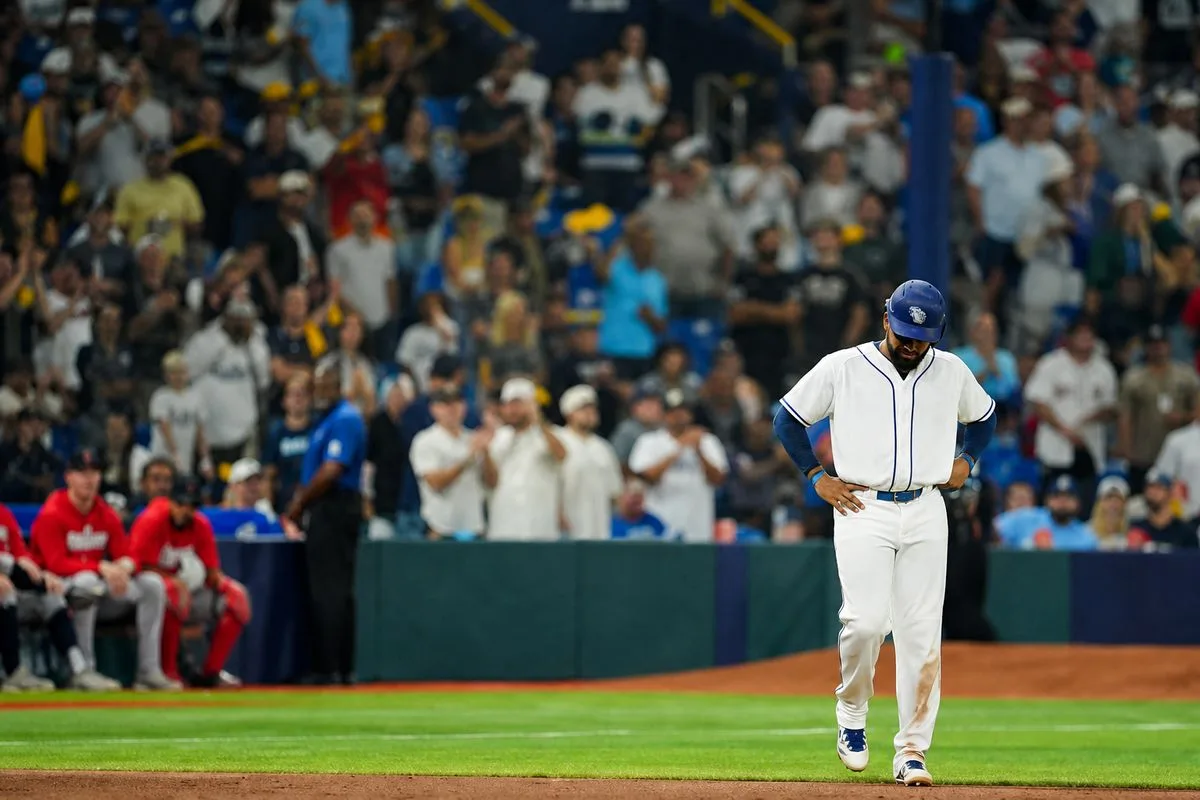
Did the Guardians win last night? Here is the straight answer, and why it matters
For anyone typing did the guardians win last night into a search bar, the key detail is simple: no. Cleveland lose to the Tampa Bay Rays in ALCS Game 2 on Tuesday night at Tropicana Field, according to the available reporting and round ups. That result matters because it immediately reframes the series from a feel good road steal to a proper tug of war, the kind where one night can flip the pressure, the pitching plans, and the whole vibe.
There is also a bit of context that gets lost in the blunt win loss line. Cleveland come into Game 2 having already taken Game 1 in Tampa Bay, which is exactly what a road team wants early in a best of seven. But Tampa Bay respond in Game 2 with a small ball burst, described as a three run fourth inning, to level the tone of the matchup and stop the Guardians from walking out of Florida with a stranglehold.
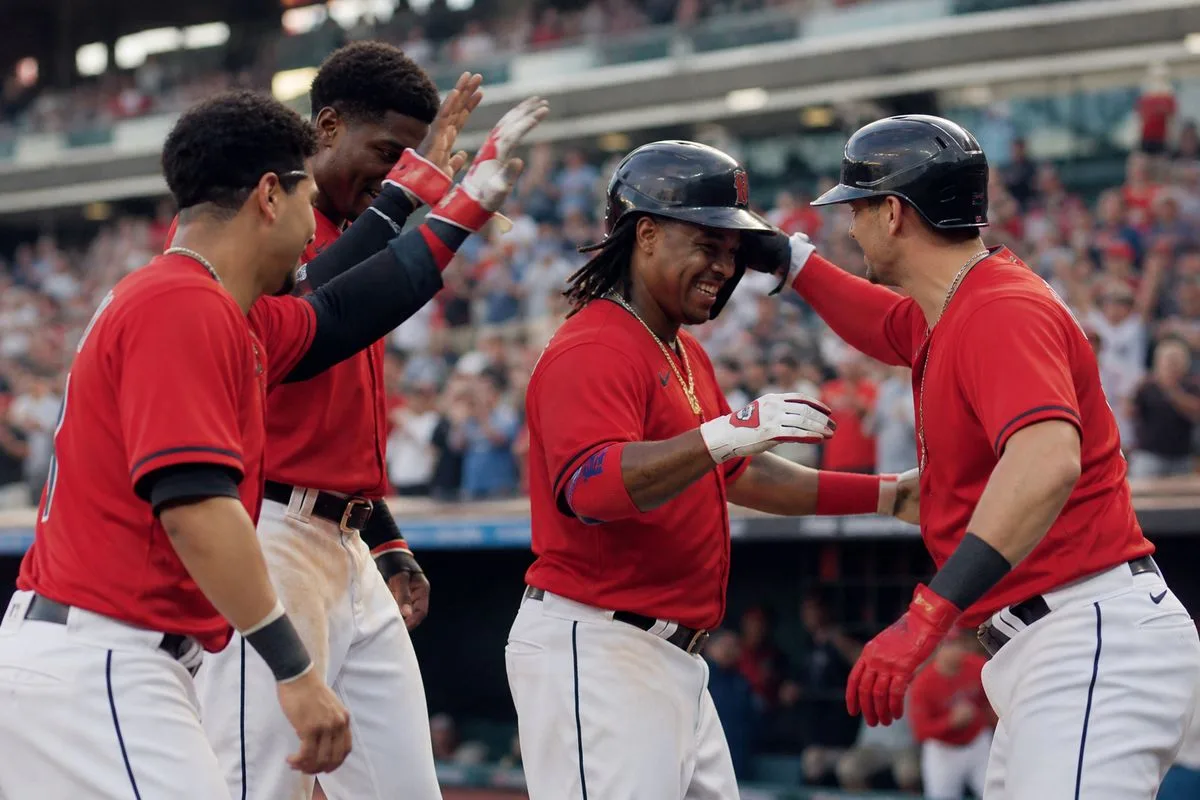
One important caveat: the full MLB.com match report for Game 1 is not accessible in the provided source material due to an access denial, so this article sticks to what is explicitly available from the supplementary headlines and summaries. That means no invented final scores for Game 2, no made up pitching lines, and no pretend quotes. Still, there is enough here to explain what happened in broad strokes, and more importantly, what it signals about how this ALCS is likely to be decided.
Did the Guardians win last night, compared with Game 1: momentum versus correction
Game 1 and Game 2, even in the limited detail available, read like a classic playoff two step. Cleveland take Game 1 in Tampa Bay, a result described in multiple places as the Guardians stealing home field advantage. Then Tampa Bay come back in Game 2 with a different flavour of baseball, leaning into small ball and manufacturing offence in a key inning. And just like that, the series stops being about Cleveland’s early punch and becomes about whether Tampa can keep dictating the style of play.
That stylistic battle is not a throwaway detail. When a team wins with late rallies, it can feel like destiny, or grit, or whatever label people want to slap on it. But the opponent usually responds by trying to remove the chaos. Small ball is one way to do that, because it reduces the need for a single big swing and instead pressures defenders, pitchers, and decision making on every pitch. A three run inning built that way is not just runs on the board, it is a message.
From Cleveland’s perspective, splitting the first two games on the road is not a disaster. In fact, it is often the baseline goal. But it does change the emotional maths. A 2 0 lead feels like control. A 1 1 split feels like work. And in October, work is fine, but it is relentless.
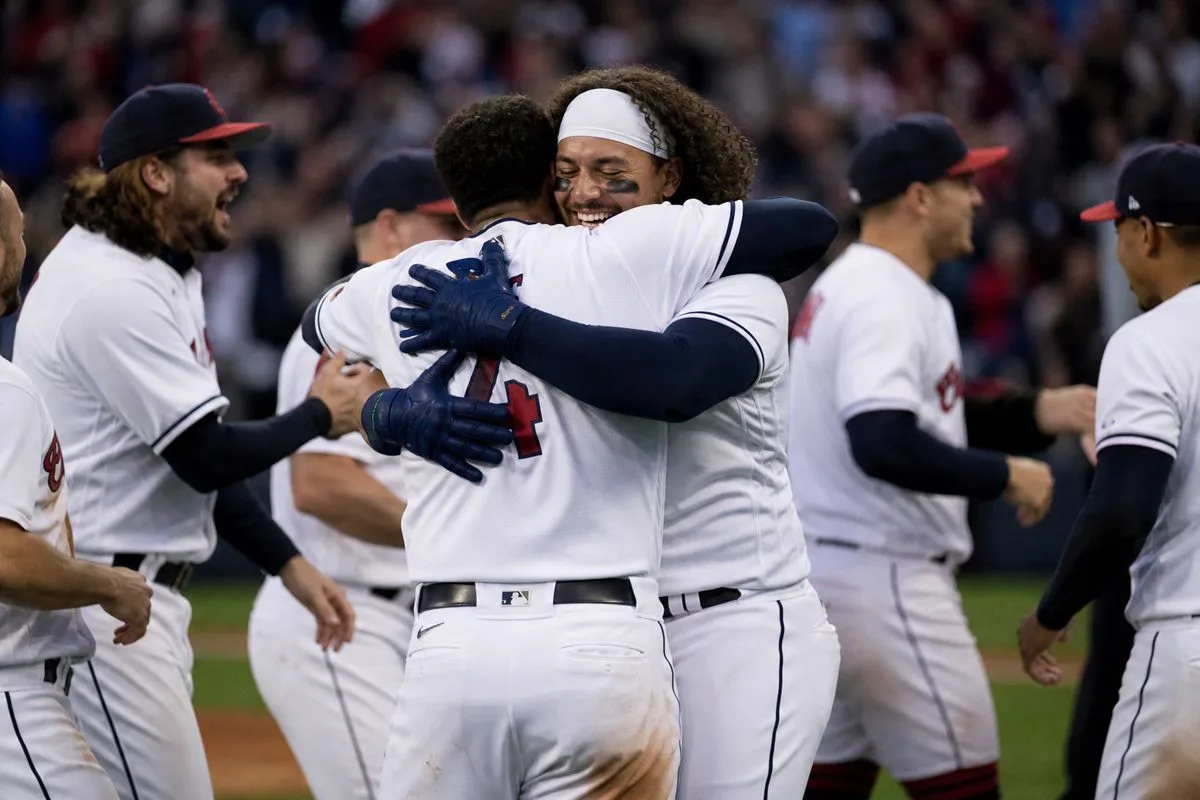
Guardians versus Rays in this ALCS: what each team is trying to do
This matchup, as framed by the available coverage, is about two teams trying to win in different ways, and occasionally borrowing from each other. Cleveland’s identity in recent years is tied to pressure baseball: forcing mistakes, taking extra bases, and turning close games into coin flips that they keep winning. Tampa Bay, meanwhile, are often associated with structure and optimisation, the kind of club that finds edges in matchups, baserunning, and run prevention.
That is why the Game 2 description matters. A three run fourth built through small ball suggests Tampa Bay are not waiting around for a three run homer. They are pushing the action. That can be particularly effective against a team like Cleveland, because it flips the Guardians’ usual script back on them. Suddenly it is Cleveland who must answer the question: can they defend cleanly, control the running game, and avoid the one messy inning that swings a playoff match?
It is also worth noting how the series narrative is already being framed in the wider coverage. One headline calls Game 2 a must win for the Rays. That is not hyperbole, it is the reality of dropping the opener at home. Tampa Bay respond accordingly. And now the pressure shifts again, because the next pivot point is obvious: can Cleveland reclaim the initiative, or do the Rays turn one correction into a run of control?
Key moments and what we actually know from the available reporting
Because the detailed match story for Game 1 is not accessible in the provided material, the safest approach is to focus on the concrete points that are stated. Those are: Cleveland win ALCS Game 1 in Tampa Bay, and Tampa Bay win ALCS Game 2 on Tuesday night at Tropicana Field, with a three run fourth inning driven by small ball. That is the factual spine.
What can be inferred, carefully, is the tactical implication. A three run inning via small ball typically involves some combination of singles, bunts, hit and runs, stolen bases, productive outs, and aggressive baserunning. The point is not the exact sequence, which is not provided here. The point is the intent: Tampa Bay choose a method that puts defenders under stress and forces Cleveland to execute perfectly. In the postseason, “perfectly” is a high bar. Most teams trip once. The Rays are betting that one trip is enough.
Meanwhile, Cleveland’s Game 1 win is described elsewhere as a rally, with the MLB.com headline indicating the Guardians come up big late to beat the Rays in the opener. Again, the full text is not available, but the headline alone tells you the shape of it: Cleveland do not necessarily dominate early, but they finish. That is a skill. It is also something opponents try to neutralise by building leads that are harder to chase, which is exactly what a three run inning can do if paired with clean pitching and defence.
Comparison table: Guardians win formula versus Rays win formula
So what is the practical difference between how Cleveland win and how Tampa Bay win, at least as this series is being described? Here is a side by side guide that keeps it grounded in what is actually in the source material, while still giving fans a useful framework for what to watch next.
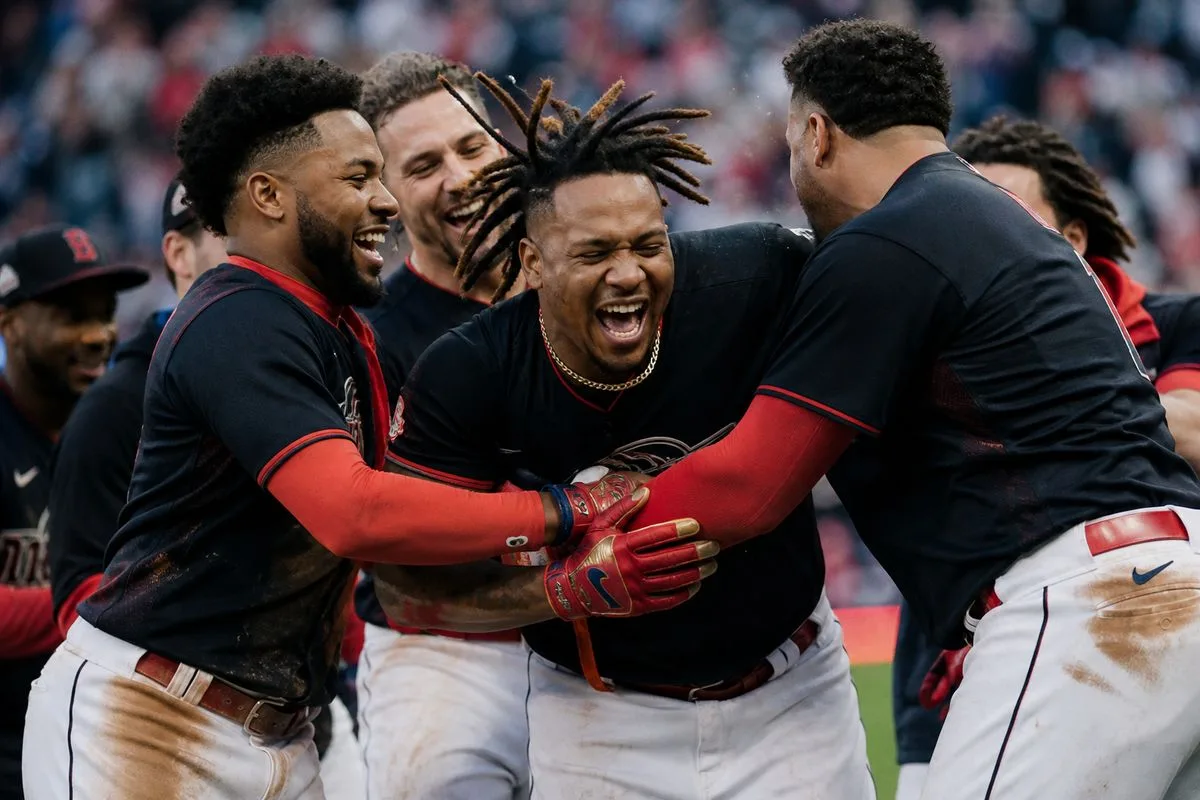
| Dimension | Cleveland Guardians (as framed in Game 1 coverage) | Tampa Bay Rays (as framed in Game 2 coverage) |
|---|---|---|
| Signature path to runs | Late offence, rallying to flip the game (headline indicates a late comeback in Game 1) | Small ball, manufacturing a key inning (three run fourth in Game 2) |
| Pressure point | Opposing bullpen execution late, and defensive mistakes under stress | Opposing defence and pitcher focus mid game, especially with runners moving |
| What it says about confidence | Comfortable playing from behind, trusting late chances | Determined to avoid another late scramble, tries to seize control earlier |
| Risk profile | Relies on staying close enough for a late swing in leverage | Small ball can backfire if outs are traded without runs, but can also snowball quickly |
This is why the question did the guardians win last night is not just trivia. The Game 2 loss is a sign that Tampa Bay find a counterpunch. Now the chess match gets interesting, because both approaches can work, but they demand different types of execution.
Pros and cons: which style travels better as the ALCS shifts
Playoff series are rarely won by the team with the prettiest plan. They are won by the team whose plan survives contact with bad hops, tight strike zones, and one weird inning. Still, it is useful to weigh the two approaches described so far, because it hints at what might be more sustainable as the series grinds on.
Guardians approach: late rallies and relentless pressure
- Pros: Late game resilience travels well, because it does not depend on one early burst. It can also rattle opponents, especially if they start managing the ninth inning in the sixth.
- Pros: If Cleveland keep games close, they keep leverage high, and that is where small edges, baserunning, and situational hitting can decide outcomes.
- Cons: Living on late rallies is a thin margin. If the opponent builds even a modest cushion and protects it cleanly, the comeback window closes fast.
- Cons: It can put extra strain on a bullpen across a long series, because every night becomes high leverage late.
Rays approach: small ball and inning construction
- Pros: Small ball can be a great equaliser in October, when elite pitching suppresses slugging. It forces defenders to make plays and pitchers to hold runners.
- Pros: A three run inning built without a homer can feel demoralising for the opponent, because it suggests there is no safe way to pitch.
- Cons: It demands precision. Give away an out with a bunt at the wrong time, or run into one out on the bases, and the whole inning collapses.
- Cons: If the opponent’s defence is sharp, small ball can turn into empty contact and frustration.
Neither method is automatically “better”. But the Game 2 result suggests Tampa Bay are not going to sit back and hope Cleveland stop being annoying late. They are actively trying to change the terms of engagement. That is a big deal, because it forces Cleveland to win in more than one way.
What this means for the wider MLB picture: October is tilting back towards versatility
Zooming out, this Guardians Rays mini narrative fits a broader truth about modern postseason baseball. The regular season rewards depth and process. October rewards adaptability. A team that can only win one way is easier to game plan against, especially across a series where every weakness is poked repeatedly.
The Guardians’ Game 1 profile, late rallying, is a form of versatility in itself, because it implies they can absorb early punches and still find a route back. But Tampa Bay’s Game 2 response, leaning on small ball for a three run inning, is also versatility. It is a reminder that even in an era obsessed with launch angle and power, there is still room for old fashioned run creation when the moment demands it.
And there is a subtle strategic layer here too. If Tampa Bay can score without waiting for extra base hits, they can pressure Cleveland’s pitching staff in different ways. Pitchers have to vary holds, control the running game, field their position, and execute in the margins. That can lead to more pitches, more stress, and more opportunities later in the series. It is not glamorous. It is effective.
Historical context: why a road split is good, but not a guarantee
There is a familiar playoff lesson hiding inside the question did the guardians win last night. Fans often treat each game as a referendum on the whole series. But a split in the first two games, especially for the road team, is often just the expected baseline. Cleveland do the hard part by winning Game 1 away from home. Tampa Bay do the necessary part by preventing a 0 2 hole.
What changes after a split is not the maths as much as the psychology. The team that loses Game 2 after winning Game 1 can feel like they “missed a chance”. The team that wins Game 2 can feel like they “stabilised”. Those feelings influence managerial decisions, bullpen usage, and even how aggressive teams are on the bases. And yes, that loops right back to the small ball theme, because aggression is contagious when it works.
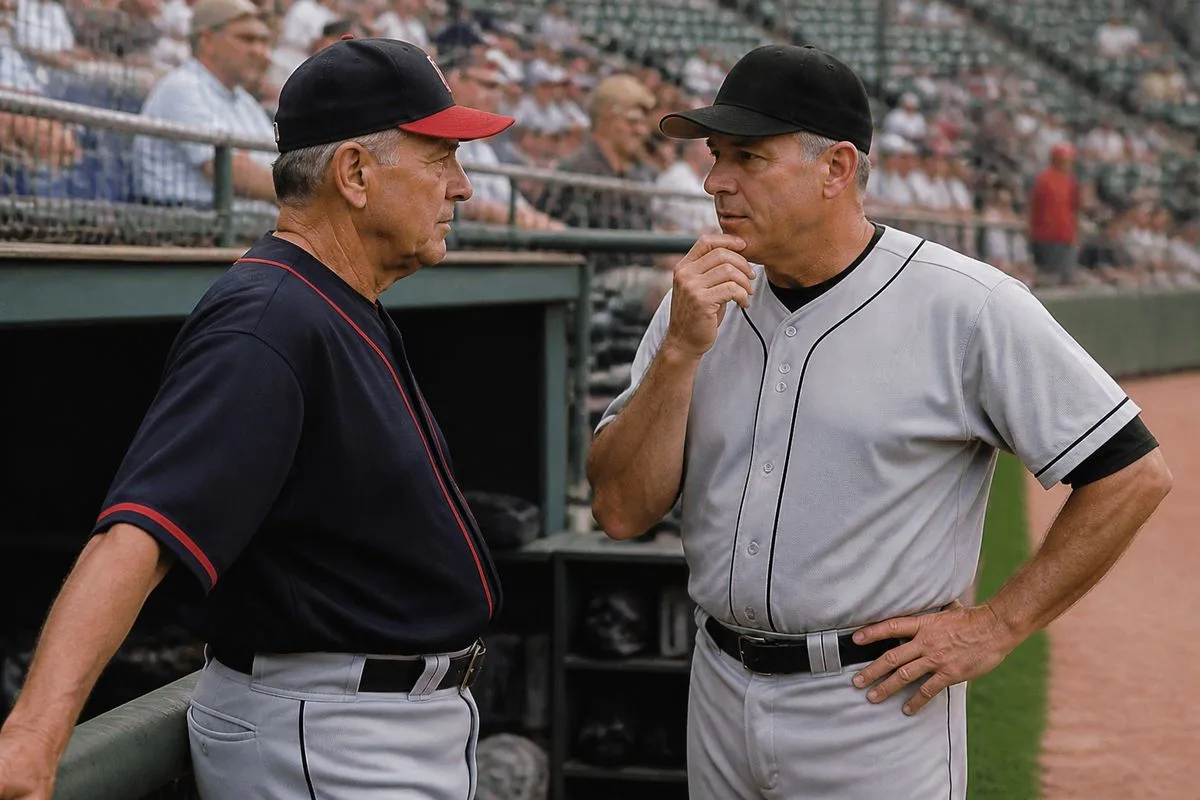
Without overreaching beyond the provided material, the clean comparison is this: Cleveland prove they can win in Tampa Bay. Tampa Bay prove they can adjust quickly. That is usually the recipe for a long series, with the middle games decided by who can keep changing shape without losing their identity.
The Verdict: what to take from “did the guardians win last night”, and what to watch next
The verdict on the narrow question is clear: the Guardians do not win last night, they drop ALCS Game 2 to the Rays at Tropicana Field. But the more useful verdict, the one that actually helps a fan understand what is coming, is that this series is already turning into a styles clash. Cleveland’s late rally profile, implied by the Game 1 framing, meets Tampa Bay’s willingness to manufacture offence, highlighted by the three run fourth in Game 2.
So who is in the better spot? If the question is purely about positioning, Cleveland still achieve the early objective by taking one game on the road. Fair enough. But if the question is about trajectory, Tampa Bay’s Game 2 response suggests they find a lever that can swing games without relying on one big hit. That can be a repeatable plan, especially if the pitching keeps the score within reach.
What should fans watch next, in practical terms? Watch for whether Tampa Bay keep leaning into small ball, and whether Cleveland can shut it down cleanly. Watch for whether Cleveland can create their own early offence, so they are not always asking for late magic. And watch the emotional temperature. A series that starts with a road steal and a quick correction often becomes a grind, the kind where the team that stays flexible, and calm, usually ends up on top.
Closing thoughts: one loss does not erase the Guardians, it just raises the bar
It is tempting, after a Game 2 loss, to treat the opener as a fluke or a missed opportunity. But that is not how playoff baseball works. Cleveland prove in Game 1 that they can win in Tampa Bay. Tampa Bay prove in Game 2 that they can punch back, and do it with intent, using small ball to build a decisive inning. That is not a collapse by Cleveland, it is a response by the Rays.
And that is why the search query keeps popping up. People are not only asking did the guardians win last night because they want a scoreline. They want to know whether the story is still alive. It is. It is just changing shape, which is exactly what good postseason series do.