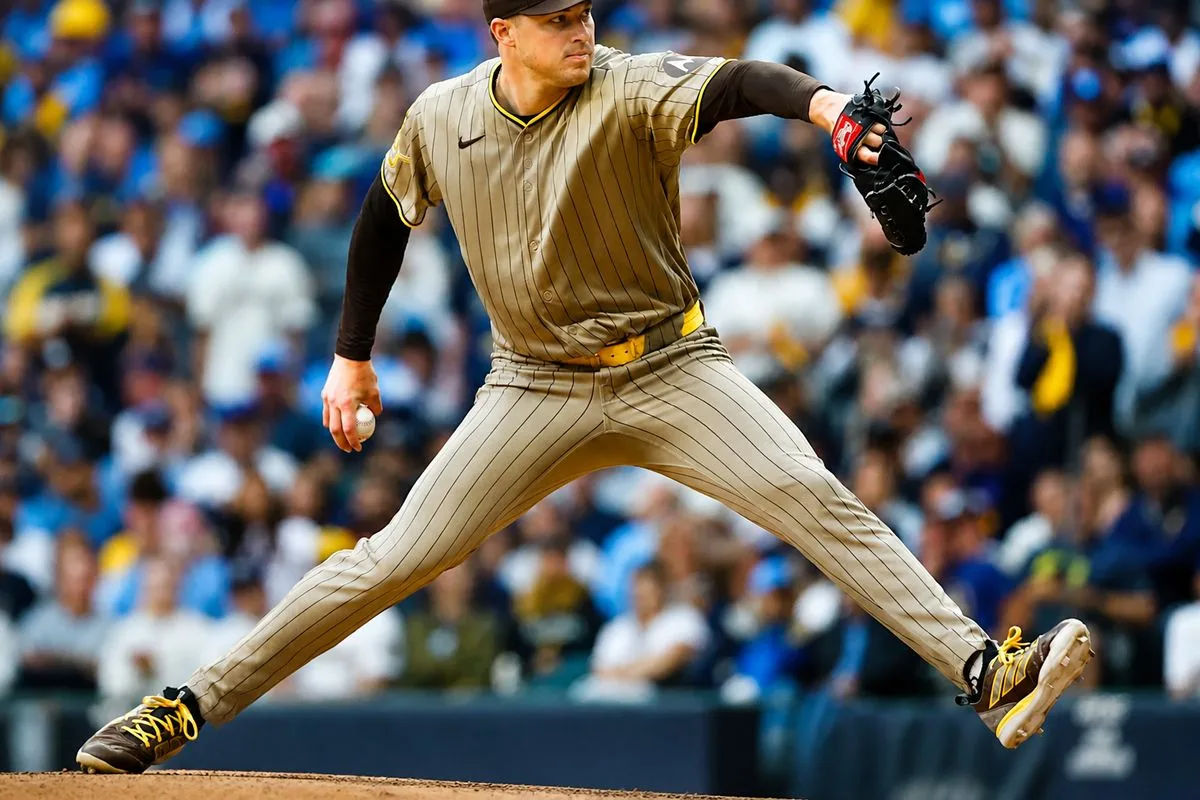
Did the Brewers win last night? The short answer, no, and it tightens everything
Anyone searching did the brewers win last night is really asking one thing: what happened in the most recent Milwaukee Brewers game, and what does it mean next. On 6 October 2026, the answer is a narrow loss. The San Diego Padres beat the Milwaukee Brewers 4-3 at Petco Park in NLDS Game 3, clawing back into the best-of-five series and forcing a Game 4 on 7 October 2026.
It is a one-run game again, because of course it is. This series has lived on the edge from the first pitch, and Game 3 follows the same script: tense, late-inning leverage everywhere, and a final margin that tells you the teams are basically inseparable right now. The difference is that San Diego finally turns one of these tight finishes into a win, and suddenly Milwaukee’s 2-0 series cushion looks a lot less cosy.
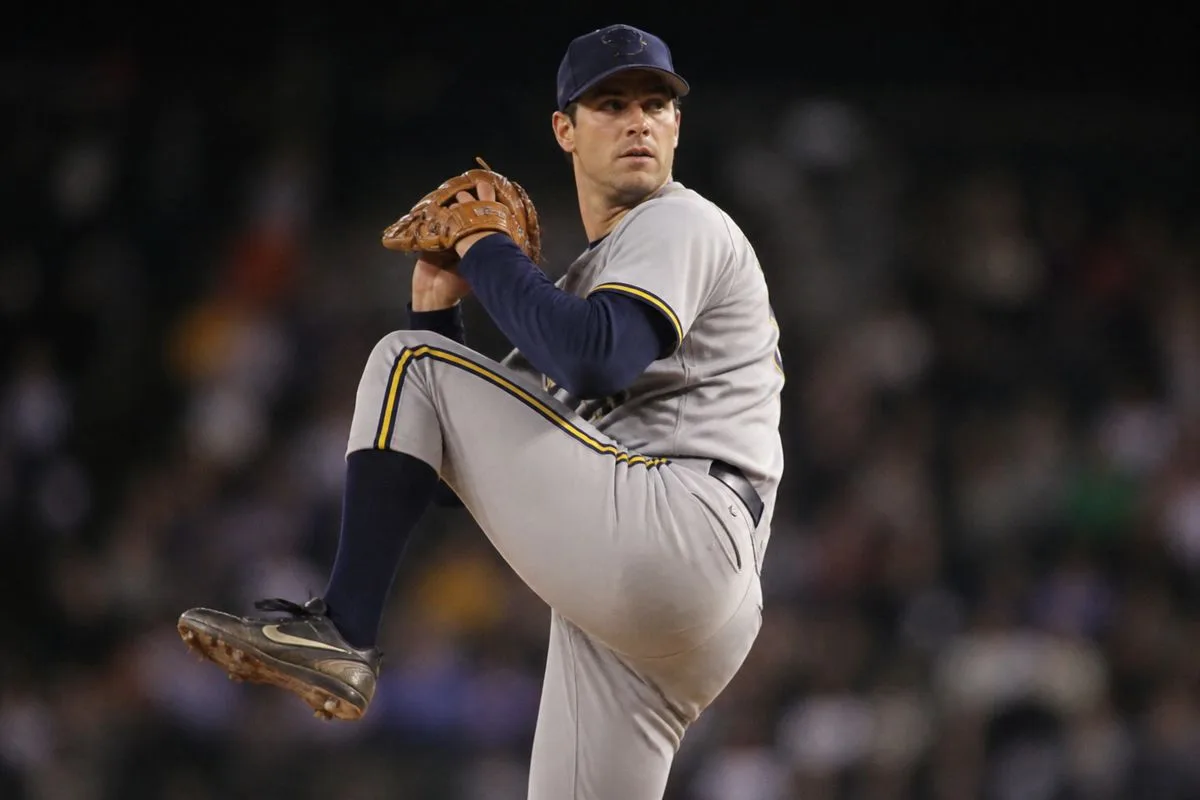
There is also a twist that makes Game 3 feel even more significant. San Diego does it without its All-Star closer, Mason Miller, who is unavailable after being placed on the postseason paternity list. In October baseball, losing your closer for a night is supposed to be a problem. The Padres treat it like an inconvenience, then win anyway. That is the headline inside the headline.
Game 3 recap: Padres 4, Brewers 3, and the NLDS is alive
The Padres’ 4-3 win on Tuesday night at Petco Park is their first victory of the 2026 NLDS, cutting Milwaukee’s series lead to 2-1. It is not just a scoreline, it is a message: San Diego is not going quietly, and the Brewers are going to have to earn every last out if they want to move on.
From the available reporting, the defining context is not a single blowout inning or one obvious turning point. Instead, it is the continuation of a pattern. Games 1 and 2 are both decided by one run, with Milwaukee taking each. Game 3 is also decided by one run, but this time the Padres are the ones holding the final advantage. That kind of symmetry matters, because it suggests the series is less about who is “better” and more about who executes under pressure in the final two or three moments that decide October games.
San Diego’s win also forces the calendar to extend. Game 4 is set for Wednesday, 7 October 2026, again in San Diego. And because it is a best-of-five, that is not a minor detail. A Game 4 win for Milwaukee ends the series. A Game 4 win for San Diego sends it back to Milwaukee for a winner-take-all Game 5. The stakes could not be clearer, and the margin for error is basically gone.
One more thing is worth underlining. The MLB game story page for this matchup is not accessible in the provided source material due to an access restriction, so the full official play-by-play and complete statistical breakdown are not available here. That limits how granular any recap can get, but the overarching facts are solid: Padres win 4-3, series becomes 2-1, Game 4 is forced.
Did the Brewers win last night? What the result means for the series right now
So, did the brewers win last night? No. And the immediate consequence is that Milwaukee’s path to the NLCS is no longer a straight line. The Brewers still lead the series 2-1, which is a good place to be. But it is also the most fragile kind of advantage, because one more one-run swing flips the whole story.
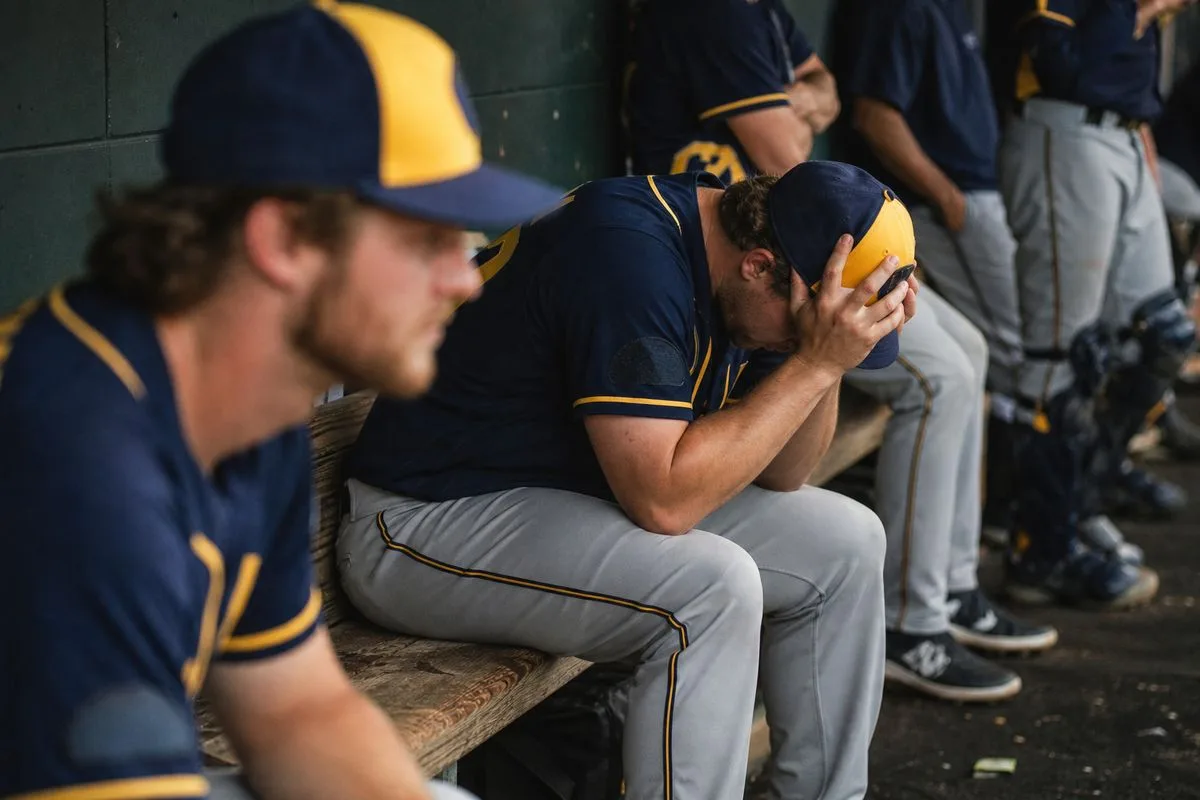
It is also a reminder of how quickly October narratives change. Two days earlier, Milwaukee is riding the high of a walk-off win in Game 2, with a young star delivering the decisive hit and the home crowd pouring noise onto every pitch. Now, after Game 3, the emotional momentum shifts. The Padres have proof they can beat Milwaukee in this series, and they get to wake up on 7 October knowing they can level it on home turf.
For Milwaukee, the loss does not erase what they have already done. The Brewers win Games 1 and 2 by one run each, which in playoff terms is often a sign of a team that handles late innings well and does not blink. But the Game 3 result introduces a new pressure point: can Milwaukee close out a series on the road when the opponent has already shown it can survive without its usual endgame weapon?
And for anyone trying to place this in the simplest possible frame, here it is. Milwaukee has two chances to win one game, Game 4 in San Diego or Game 5 back at home if needed. San Diego has to win two in a row. That is the maths. The psychology is messier, and that is where the closer situation starts to loom large.
The Mason Miller paternity list twist: roster rules, bullpen knock-on effects, and why it mattered in Game 3
The most unusual element of Game 3 is not the score, it is who is missing. Padres closer Mason Miller is unavailable after being added to the postseason paternity list on Tuesday afternoon, with his wife going into labour. MLB approves the roster move, and San Diego replaces Miller with reliever Wandy Peralta.
This is where the postseason rulebook actually matters. In the playoffs, teams submit a roster for each series, and if a player is replaced due to injury, he must miss the rest of that series and, if the team advances, the following series as well. But the paternity list is different. Miller can miss a minimum of one day and a maximum of three, and when he returns he can replace Peralta without being forced to sit out another series. In other words, this is a temporary absence, not a structural roster penalty.
Miller’s importance is not theoretical. He is described as one of baseball’s best closers, and the numbers in the source material back up why he carries that reputation. In the 2026 season he posts a career-high 38 saves in 66 appearances, finishing with a 1.67 ERA. That is elite production, the kind of profile managers build their late-inning plans around. Taking that out of the bullpen for a playoff game is supposed to create a chain reaction of discomfort.
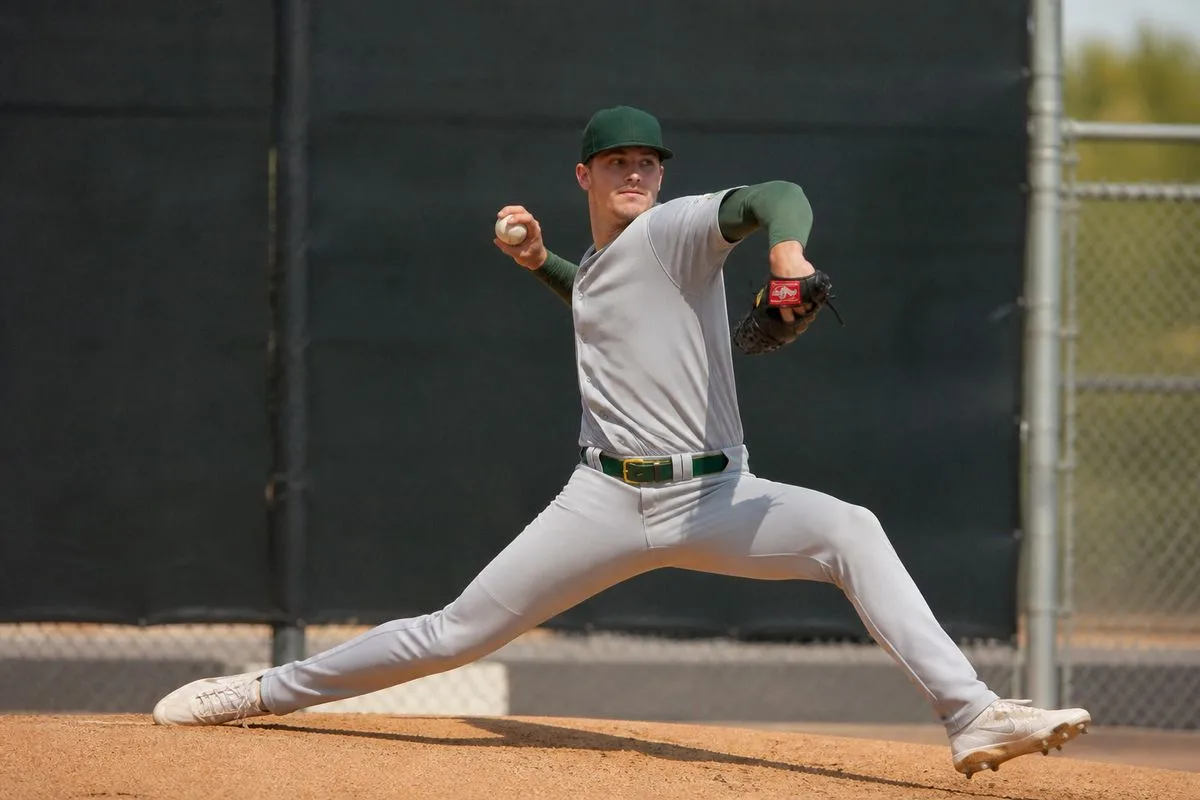
Peralta, the replacement, brings a different look. He is a 35-year-old left-hander who gives the Padres an extra lefty option in the bullpen. In 2026 he makes 65 appearances and goes 3-3 with a 3.61 ERA. That is not Miller’s dominance, but it is also not a disaster. It is a workable arm, and in October, “workable” can be enough if the rest of the pitching plan holds. Game 3 suggests San Diego’s bullpen can still navigate the final outs even without its usual closer, which is a big deal heading into Game 4.
How Game 2 set the tone: Jackson Chourio’s walk-off and the thin line between 2-0 and 1-1
To understand why Game 3 feels so pivotal, it helps to rewind briefly to Game 2, because that is where the series’ emotional centre of gravity starts to form. On 4 October 2026 at American Family Field in Milwaukee, the Brewers win 4-3 on a walk-off two-run single by Jackson Chourio in the ninth inning. The hit drives in Sal Frelick and Christian Yelich, and it flips the game instantly.
That moment also directly involves Mason Miller, even though he is absent in Game 3. Miller blows the save in Game 2 when Chourio laces the walk-off single to centre. So the Padres enter Game 3 with two intertwined storylines: they are down 2-0 in the series, and their star closer is coming off a rare October failure. Then, hours before first pitch, Miller is unavailable entirely due to the paternity list move. It is a lot of disruption for one of the most specialised roles in baseball.
Chourio’s Game 2 heroics matter beyond the highlight. They reinforce what Milwaukee is trying to be in this series: opportunistic, resilient, and comfortable in chaos. A two-run walk-off in the ninth is not a “system” so much as a statement about nerve. And it is also a reminder that the Padres are not getting beaten up, they are getting edged. One swing here, one pitch there, and the series looks different.
That is why Game 3’s 4-3 Padres win lands with such force. If Game 2 is the Brewers proving they can land the late punch, Game 3 is the Padres proving they can take it, reset, and punch back. October baseball rarely offers clean lessons, but this one is fairly straightforward: neither team is going away, and the margins are brutally small.
What to watch in Game 4 on 7 October 2026: leverage innings, closer availability, and the pressure on every decision
Game 4, scheduled for Wednesday, 7 October 2026 in San Diego, becomes the hinge point of the series. Milwaukee wins and advances. San Diego wins and forces a Game 5. That is the whole story, and it is why every roster and bullpen detail suddenly feels magnified.
The immediate question is Mason Miller’s status. Because he is on the postseason paternity list, he is eligible to return for Game 4. But eligibility is not certainty. Whether he is ready to return remains to be seen, and the Padres have to plan for both scenarios. If Miller is back, San Diego can return to a more familiar late-inning structure. If he is not, the Padres have already shown in Game 3 that they can survive, but repeating that trick under even higher stakes is another matter.

For Milwaukee, the challenge is slightly different. The Brewers have already won two one-run games in this series, and they have also now lost one. That mix can create a strange tension. On one hand, it proves they can play this kind of baseball. On the other, it reinforces that they cannot assume the next tight finish will break their way. The Brewers’ job in Game 4 is to create separation early if they can, because living in a one-run world means living with randomness, and randomness is not a strategy.
And then there is the managerial chess. In a series where every game is decided by a single run, the “middle” innings stop being middle. The sixth and seventh become as important as the ninth. One pitching change, one matchup choice, one defensive substitution, and suddenly the game is tilted. That is what makes this NLDS compelling, and exhausting, in equal measure.
Why It Matters
This is not just a question of did the brewers win last night, it is a case study in how modern playoff baseball is shaped by volatility and bullpen architecture. The Padres win Game 3 without Mason Miller, a pitcher who posts 38 saves with a 1.67 ERA in 2026. That should be a crippling absence. Instead, it becomes proof of concept: if a team can piece together the last nine outs without its closer, it can survive almost any disruption. And in October, disruption is basically guaranteed.
There is also a quieter lesson about how thin the line is between “dominant” and “desperate”. Milwaukee is up 2-0 after two one-run wins, and it feels like control. Then San Diego wins one one-run game, and suddenly the series feels like a knife fight again. That is not narrative fluff, it is the reality of short series. A five-game set does not always identify the best team. It often identifies the team that makes the fewest high-leverage mistakes in a handful of moments. That is why the Brewers cannot afford to treat Game 3 as a blip, and why the Padres cannot afford to treat it as mission accomplished.
Finally, the paternity list angle is a reminder that baseball players are not just roles on a depth chart. The postseason is staged as this relentless, machine-like spectacle, but real life still barges in. The rules around the postseason paternity list are designed to accommodate that reality without forcing teams into punitive roster consequences. In a sport that can be brutally transactional, it is one of the more human corners of the rulebook. And it can still swing a series, because the replacement options and ripple effects are very real.
Closing thoughts: where the Brewers stand after the Game 3 loss, and what the next 24 hours can decide
The Brewers do not win last night, and the Padres’ 4-3 victory on 6 October 2026 ensures the NLDS continues. Milwaukee still leads 2-1, which is the key fact. But the tone of the series changes because San Diego proves it can win under maximum stress, even while improvising at the back of the bullpen.
For Milwaukee supporters, the temptation is to focus on the comfort of having two chances to close it out. Fair enough. But the more honest read is that the Brewers are now in the part of the series where one bad inning, or one misplayed matchup, can undo a week’s worth of good work. The Padres, meanwhile, have the clearest possible mission: win Game 4 at home, then take their chances in a Game 5 cauldron.
And that is why this question keeps getting typed into search bars. Not because people cannot find a score, but because a one-run playoff series makes every result feel like a turning point. On 6 October 2026, the turning point belongs to San Diego. On 7 October 2026, it belongs to whoever handles the next set of high-leverage moments better.