
Amazon FBA calculator vs third party profit calculators, why this choice suddenly matters in 2026
For UK marketplace sellers, the Amazon FBA calculator is no longer a nice-to-have. It is the difference between launching a product with eyes open and waking up to a nasty surprise in the first settlement. And in 2026, that surprise is more likely to come from the stuff that sits outside the obvious Amazon fees: VAT treatment, ad spend, storage creep, and the way returns and promotions quietly nibble at margin.
The immediate news thread behind the recent wave of headlines is simple: profit calculator tools for Amazon UK sellers are proliferating, and they are increasingly positioning themselves as more realistic than Amazon’s own fee estimator. The web results highlight multiple “free” tools and explainers, including an Amazon UK fee and pricing calculator, a third party calculator that explicitly includes UK VAT and Digital Services Tax where relevant, and a set of guides that frame calculators as essential pre launch checks. Meanwhile, community discussions on Reddit in 2026 show sellers still asking the same blunt question: “How do you actually calculate FBA profitability?” That is telling. People are selling, but they do not trust their numbers.

So this article takes a practical, comparison led approach. It sets the Amazon FBA calculator against third party alternatives that promise “real profit after fees”. Not a theoretical margin. Not a best case scenario. The goal is to help UK sellers decide what to use, when, and why, without pretending any calculator can magically know your business better than you do.
The 2026 development, calculators are shifting from fee checks to full profitability models
Historically, most sellers treat an FBA calculator as a quick fee look up. Plug in a selling price, pick fulfilment, see referral and fulfilment fees, then decide if the product is viable. That still happens. But the 2026 shift is that calculators are being marketed, and used, as profitability systems, not just fee estimators.
The source material points to that evolution in a few ways. One third party tool description says it works out Amazon’s referral fee, the FBA fulfilment fee (if applicable), and UK VAT and Digital Services Tax where relevant. That is already a step beyond the classic “fees only” approach. Another example headline pushes “real profit after fees” and even shows a sample breakdown with a settlement figure and cost lines, including Product Cost (COGS) minus 400.00 against a Settlement from Amazon 545.43. It is not a full audited P and L, but it signals what sellers actually want: a bridge from Amazon settlement to true net profit.
And then there is the community angle. In an April 2026 Reddit thread in the FulfillmentByAmazon community, sellers are still debating how to calculate profitability properly, with at least one comment implying that a revenue calculator “doesn’t” cover what they need for the UK. That gap between what sellers expect and what tools deliver is the real story. It is not that calculators are new. It is that the market is now arguing over which calculator is trustworthy enough to base inventory bets on.
What each option actually is, Amazon FBA calculator vs third party tools
Start with the basics. The Amazon FBA calculator, as referenced in the source material, is positioned around understanding Amazon UK selling fees and pricing plans, and checking fees and profits for UK sellers. In practice, that typically means modelling the big Amazon line items: referral fees, fulfilment fees, and sometimes storage depending on the interface and the inputs available. It is the “official” lens on what Amazon will charge, which is why sellers keep coming back to it even when they complain.
Third party calculators, by contrast, are trying to be the seller’s lens. They often aim to incorporate the stuff Amazon does not know about your operation: your cost of goods, packaging, freight, prep, and advertising. The source material includes a data and analytics example that makes the point brutally: you might know revenue, but do you know profit? In that example breakdown, the cost stack includes COGS (98,200), Referral plus selling fees (24,600), FBA fulfilment plus storage (47,600), and PPC advertising (50,400). No claim is made that these are typical numbers, and they should not be treated as benchmarks. But they illustrate the shape of the problem: ads and logistics can rival, or exceed, Amazon’s own fees.

There is also a subtle but important difference in intent. Amazon’s own calculator is primarily about fees and eligibility. Third party tools are increasingly about decision making: should you launch, should you raise price, should you switch to FBM, should you cut ads, should you stop restocking. That is why the comparison matters. It is not about which interface looks nicer. It is about which tool helps a UK seller avoid the classic trap of “profitable on paper, unprofitable in reality”.
Features comparison, Amazon FBA calculator vs third party profit calculators
Features are where the gap opens up. The Amazon FBA calculator is strongest when the question is, “What will Amazon charge me to sell this item via FBA in the UK?” It is designed around Amazon’s fee structure and selling plans. That makes it a reliable starting point for referral fee and fulfilment fee estimation, because those are Amazon controlled variables.
Third party calculators tend to compete on completeness. The source material explicitly mentions calculators that include UK VAT and Digital Services Tax where relevant. That “where relevant” caveat matters, because not every seller is in the same VAT position, and not every transaction is treated the same way. But the direction of travel is clear: sellers want a calculator that does not stop at Amazon fees. They want something that at least attempts to model the tax and cash flow reality of selling in the UK.
Then there is the “hidden” feature that is not really a feature: the ability to incorporate advertising. The analytics example includes PPC advertising (50,400) as a major cost line. Amazon’s fee estimator does not know your ad strategy. A third party tool might let you input an assumed ad cost per unit or an ACoS based estimate. That is not perfect, but it is often better than ignoring ads entirely, which is what many first time sellers do (and then wonder why the bank balance looks grim).
| Dimension | Amazon FBA calculator | Third party profit calculators |
|---|---|---|
| Primary purpose | Estimate Amazon UK selling fees and compare selling plans | Estimate true profit after fees, including seller side costs |
| Amazon referral and fulfilment fees | Core strength, built around Amazon fee rules | Usually included, but depends on tool accuracy and updates |
| VAT and DST handling | Not clearly positioned as VAT and DST inclusive in the provided material | Some tools explicitly include UK VAT and Digital Services Tax where relevant |
| COGS and packaging inputs | Not the main focus, may be limited | Often central, example breakdowns include COGS and packaging |
| Advertising inputs | Typically outside scope | Often modelled, analytics examples treat PPC as a major cost line |
| Best use case | Quick fee check, sanity check on Amazon charges | Launch planning, pricing strategy, margin management |
Pricing and practicality, free tools, “free” tools, and the real cost of getting it wrong
On paper, a lot of these calculators are free. The source material includes multiple “free” labels and “best tools” explainers. That is not exactly groundbreaking. Calculators are lead magnets, and sellers are a valuable audience. But “free” can mean different things: free to use, free for limited products, free without saving scenarios, or free until you want exports and automation.
The more interesting pricing question is not what the calculator costs. It is what a bad calculation costs. If a seller underestimates fees, they might price too low and struggle to raise prices later. If they ignore VAT implications, they might misread margin and cash flow (and cash flow is what kills small operators, not abstract profitability). If they ignore advertising, they might assume a 25 percent margin and then discover that PPC eats it. One of the source snippets notes that most sellers aim for at least a 25% profit. That is a useful rule of thumb, but it is also a warning: if the calculator is not modelling the big cost centres, that 25 percent target is just vibes.
Practicality also includes speed and repeatability. Amazon’s own calculator is often the fastest way to get a baseline fee estimate, because it is built for that. Third party tools can be faster for scenario planning once set up, because they can include your default assumptions for COGS, prep, inbound shipping, and ad costs. The catch is that the seller has to maintain those assumptions. And yes, that is work. But it is the kind of work that stops expensive mistakes.

Ease of use and trust, why sellers still argue about profitability in 2026
If calculators were truly plug and play, Reddit would not be full of threads asking how to calculate profitability. Yet the source material includes exactly that kind of discussion, including a 2026 thread where a seller feels like they are missing something. That feeling is common because the Amazon business model is full of moving parts: fees, storage, returns, promotions, VAT treatment, ad spend, and supplier variability. A calculator can only be as good as the inputs and the assumptions.
Trust is the other half of the equation. Sellers tend to trust Amazon’s fee numbers because Amazon sets the fees. Fair enough. But they also know Amazon’s tool is not designed to protect seller margins. It is designed to explain Amazon charges. Third party tools, meanwhile, may feel more seller friendly, but sellers have to trust that the tool is updated for fee changes and that it applies UK specific tax logic correctly. The source material does not provide an audit of any tool’s accuracy, so it would be wrong to claim one is definitively “more accurate”. What can be said is that third party tools are explicitly competing on breadth, including VAT and DST where relevant.
There is also a behavioural angle. Many sellers prefer a simple answer, and calculators can encourage that. One number, net profit per unit, done. But the best operators treat calculators as a starting point, then stress test the model: what happens if PPC rises, what happens if storage fees spike, what happens if returns increase. In other words, ease of use is great, but only if it does not trick the seller into false certainty.
Pros and cons, Amazon FBA calculator vs third party profit calculators
Both options have clear strengths, and both have blind spots. The right choice depends on what stage the seller is at and what decision they are trying to make. A new seller validating a product idea needs a fast fee estimate and a rough margin check. A scaling seller needs a profitability model that includes ads and tax, because those are often the biggest swing factors.
Below is a grounded pros and cons view based strictly on what the source material indicates these tools focus on, plus the practical realities implied by the cost breakdown examples and community discussions.
Amazon FBA calculator
- Pros: Strong for estimating Amazon UK selling fees and comparing selling plans; good baseline for referral and fulfilment fee expectations; quick to use for initial checks.
- Cons: Not positioned in the provided material as a full profitability model; typically does not incorporate PPC advertising costs; may not address UK VAT and Digital Services Tax in the same explicit way third party tools do.
Third party profit calculators
- Pros: Often aim to show “real profit after fees”; some explicitly include UK VAT and Digital Services Tax where relevant; more likely to include COGS, packaging, and advertising inputs, reflecting how sellers actually lose margin.
- Cons: Accuracy depends on tool updates and correct assumptions; can create a false sense of precision if inputs are wrong; may require more setup and ongoing maintenance of cost assumptions.
Historical context, from “fee guessing” to margin engineering
A decade ago, many marketplace sellers ran their numbers in spreadsheets, or worse, in their heads. The rise of FBA made fulfilment easier, but it also made cost structures more complex. Sellers stopped thinking in simple “buy for X, sell for Y” terms and started dealing with layered fees, storage, and performance marketing. The source material’s analytics example, with separate lines for referral plus selling fees, FBA fulfilment plus storage, and PPC advertising, captures the modern reality: profitability is an engineering problem.
Calculators are the consumer friendly interface for that engineering. The Amazon FBA calculator represents the platform’s view of the world: what Amazon charges and how selling plans differ. Third party calculators represent the operator’s view: what the business keeps after everything else. The fact that community threads in 2024 and 2026 still ask basic profitability questions suggests the industry has not fully matured in education, even if the tooling is improving.
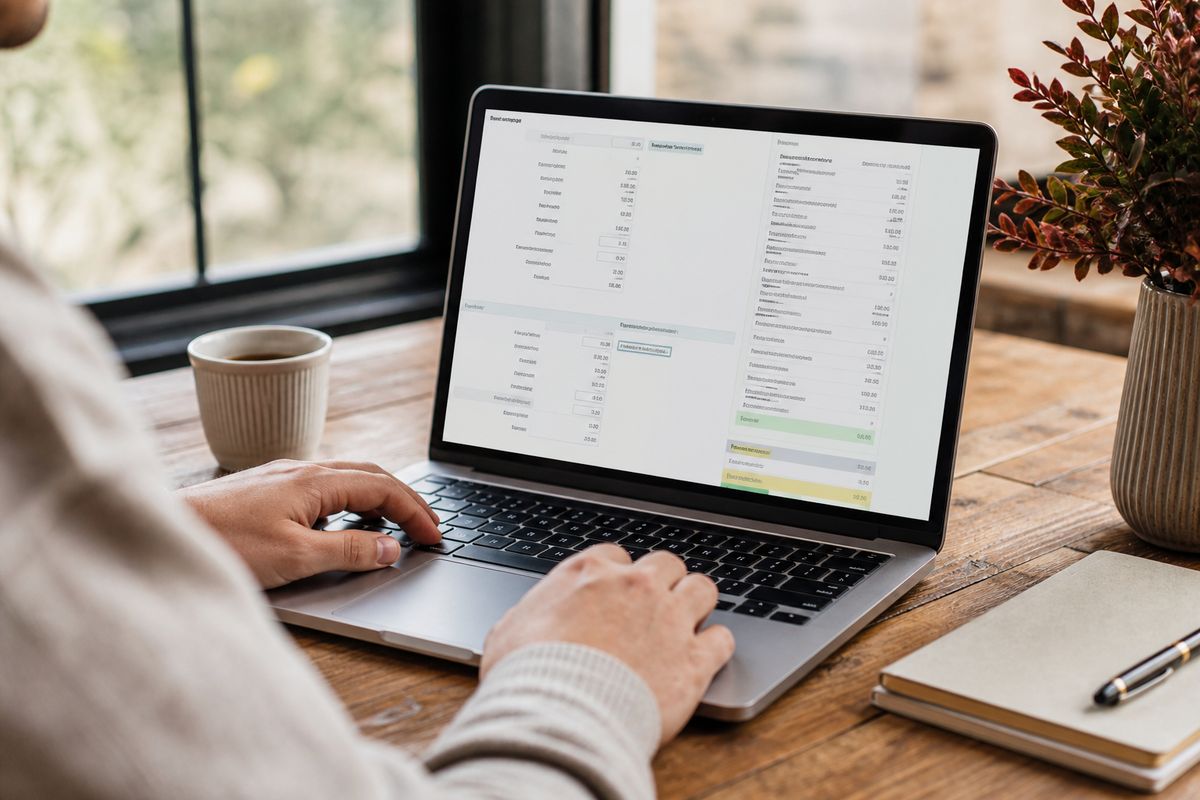
There is also a broader comparison worth making. In other digital industries, “free” calculators often evolve into full analytics suites. The same pattern appears here. Sellers start with a free fee check, then graduate to tools that track COGS, ad spend, and tax. The headlines and snippets in the source material point in that direction, even if they do not name a single dominant winner. In 2026, the market is still fragmented, and that is why a clear decision framework matters.
Which should a UK seller choose in 2026, a decision framework
The simplest way to choose is to match the tool to the decision. If the seller is deciding whether a product is even viable on Amazon UK, the Amazon FBA calculator is a sensible first stop. It provides a baseline view of Amazon fees and selling plan implications. That baseline is useful even if the seller later uses a different tool, because it anchors expectations around platform charges.
But if the seller is making a pricing decision, a restock decision, or an advertising decision, a third party profit calculator is usually the better fit. Why? Because those decisions depend on variables Amazon does not know: COGS, inbound freight, prep, packaging, and PPC. The source material makes this point indirectly through the cost stack example where PPC advertising (50,400) is a major line item. If a seller is not modelling PPC at all, they are not modelling the business they are actually running.
There is also a UK specific angle. Tools that explicitly include UK VAT and Digital Services Tax where relevant are responding to a real need. VAT treatment can change the cash picture dramatically, and DST considerations can matter depending on the seller’s structure and circumstances. The source material does not provide a full tax explainer, so it would be irresponsible to overreach here. But it is fair to say that UK sellers should prioritise calculators that at least acknowledge these components, rather than pretending every seller is in the same tax position.
The Verdict, use the Amazon FBA calculator for fees, then graduate to profit modelling
The best answer is not “pick one”. It is a workflow. In 2026, the Amazon FBA calculator remains the cleanest way to sanity check Amazon UK fees and selling plan basics. It is the platform’s own view, and that matters when the platform controls the fee rules. For quick validation, it is hard to beat.
But for anyone serious about building a durable Amazon business, third party profit calculators are where the real work happens. The moment PPC becomes meaningful, and the moment VAT and other tax considerations enter the picture, a fees only view stops being enough. The source material’s examples underline that reality: COGS, fulfilment and storage, and PPC can all be large, and ignoring any one of them can turn a “profitable” product into a slow motion loss.
So the recommendation is straightforward. Use Amazon’s calculator to confirm the fee baseline. Then use a third party tool, or a robust internal model, to stress test profitability with COGS, packaging, and advertising assumptions, and with UK VAT and Digital Services Tax considerations where relevant. It is not glamorous. But it is how sellers stop guessing and start operating.
Closing thoughts, calculators do not replace judgement, but they do expose bad assumptions
There is a temptation to treat calculators as truth machines. They are not. They are assumption machines. The reason the 2026 conversation is heating up is that sellers are realising how many assumptions sit behind a single “profit per unit” number. When a tool forces the seller to enter COGS, packaging, and ad spend, it is not just calculating. It is educating.
And that is the quiet win here. Whether a UK seller uses the Amazon FBA calculator, a third party profit calculator, or both, the real benefit is the same: fewer blind spots. The Reddit threads show sellers still feel like they are missing something. The right calculator stack does not guarantee success, but it does make the business legible. And in a marketplace as competitive as Amazon UK, legibility is a big deal.